















How to Apply Gel Polish: A Beginner's Step-by-Step Guide

In brief
Applying gel polish correctly requires meticulous nail preparation, applying products in very thin layers, and proper UV curing. By following this definitive step-by-step guide, you can achieve a flawless, salon-quality manicure at home that lasts 2 to 4 weeks. All products from The Gel Collection are 100% HEMA-free, di-HEMA-free, and TPO-free, ensuring the safest possible DIY experience.
To apply gel polish correctly, you must prepare the nail plate by removing cuticles and gently matting the surface, apply a base coat, add two very thin layers of color, and finish with a top coat. Each layer must be cured under a UV lamp for exactly 60 seconds. Gel polish does not air dry; it cures through a chemical reaction activated by specific UV wavelengths.
According to professional nail theory and industry data, 90% of all lifting issues stem from incorrect preparation of the natural nail. Furthermore, a correctly applied gel polish manicure provides a durability of up to 3 weeks without chipping. Achieving a flawless manicure at home is entirely possible, provided you understand the fundamental differences between classic nail polish and UV-curing gel products.
This comprehensive guide is based on the authoritative nail theory from the book Negle (Gyldendal, 2024) by Signe Hartung Roslyng. We will walk you through the exact steps, the necessary tools, and the vital chemistry behind the process to ensure your DIY gel nails are both beautiful and safe.
What You Need: The Beginner’s Gel Polish Toolkit
Before you begin your application, having the right tools is non-negotiable. Using improper tools or skipping steps will inevitably lead to poor durability or potential nail damage. If you are starting from scratch, it is highly recommended to start with a complete beginner's package to ensure you have all the compatible components.
Your essential toolkit must include:
- 220/240-grit nail file: For shaping the natural nail.
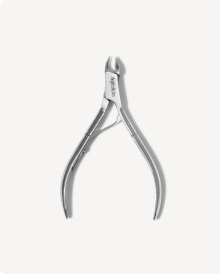
- Cuticle pusher and nipper: For removing both visible and invisible cuticles.
- 100-grit buffer: For gently matting the nail plate.
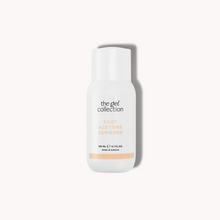
- Cleaner and lint-free wipes: To remove dust, oils, and the sticky layer.
- UV/LED Lamp: Must match the specific 365/405 nm wavelengths required by the gel.
- Primer (optional but recommended): To briefly dehydrate the nail for maximum adhesion.
- Base Coat: The foundation that binds the gel to the natural keratin.
- Gel Polish Color: The pigmented layer.
- Top Coat: The final protective seal.
Did you know?
ALL products from The Gel Collection are 100% HEMA-free, di-HEMA-free, and TPO-free. They are also 21-free, meaning they are formulated without 21 specific, potentially harmful chemicals often found in traditional nail cosmetics. This significantly reduces the risk of contact allergies during your DIY application.
If you have naturally oily nails, adding a bonder to your toolkit can drastically improve your results by ensuring the nail plate is completely stripped of surface oils before the base coat is applied.

Step 1: Prep – The Foundation of Long-Lasting Gel Nails
Preparation, commonly referred to as "prep," is the most critical phase of your manicure. The natural nail plate consists of 25 to 50 layers of dead keratin cells. For the gel polish to adhere, the surface must be entirely free of dead skin, oils, and dust.
"Proper preparation of the nail plate is the single most important step to prevent gel polish from lifting. If even a microscopic amount of oil or dust remains, the gel will not adhere properly."
— Signe Hartung Roslyng, Negle (Gyldendal, 2024)
Follow these exact steps for perfect prep:
- Shape the free edge: Use your 220/240-grit file to shape the tip of your nail. Never use a coarse file on the natural nail plate.
- Push back cuticles: Use a cuticle pusher to gently push back the proximal nail fold. You must remove both the visible cuticle and the invisible cuticle (the thin membrane of dead skin attached to the nail plate).
- Matte the surface: Take your 100-grit buffer and gently buff the entire surface of the nail. The goal is to create a microscopic surface grid for the gel to grip onto. Do not aggressively file layers off the nail; simply remove the natural shine.
- Cleanse thoroughly: Saturate a lint-free wipe with cleaner and scrub the nail plate. Pay special attention to the lateral folds (the sides) and the cuticle area.
Important: Once you have cleansed the nail, you must absolutely never touch the nail plate with your fingers. The natural oils from your skin will immediately transfer to the nail, guaranteeing that your gel polish will lift within days.
For a visual demonstration of this process, watch our detailed guide on hygiene and preparation.
Step 2: Applying the Base Coat
The base coat acts as double-sided tape between your natural keratin and the pigmented gel polish. Applying it correctly is vital for durability.
Apply a very thin layer of base coat to the nail plate. Use a firm, rubbing motion with the brush to work the product into the microscopic scratches you created with the buffer during prep. This ensures maximum mechanical adhesion.
Before curing, you must seal the free edge. Brush the base coat horizontally across the very tip of your nail. This creates a protective barrier that prevents water and dirt from penetrating between the natural nail and the gel product, which is a primary cause of chipping at the tip.
Cure the base coat in your UV lamp for 60 seconds. After curing, the surface will feel sticky. This is called the sticky layer (or inhibition layer), and it is perfectly normal. Do not wipe it off; it helps the next layer of color adhere.
Step 3: Applying the Gel Polish Color
Applying the color is where many beginners make their most significant mistakes. Gel polish has a thin, fluid consistency, and the golden rule is to apply it in extremely thin layers.
First Thin Layer
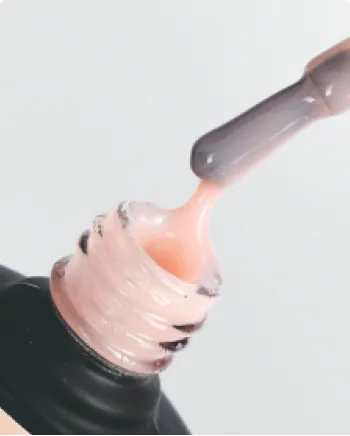
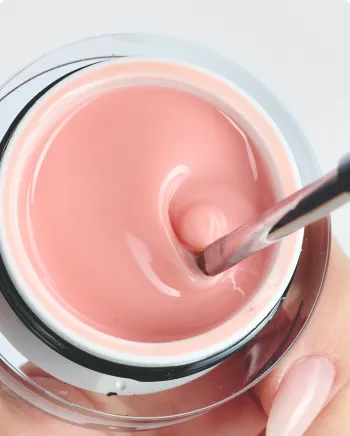
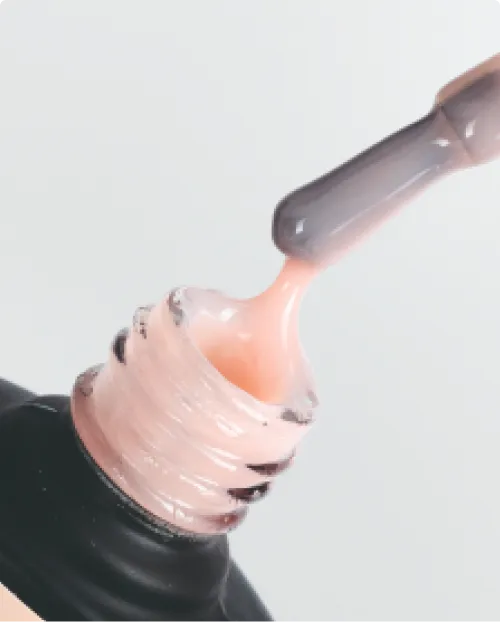
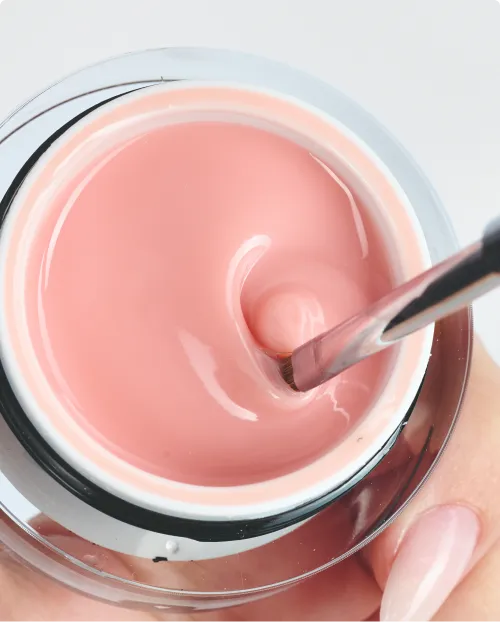
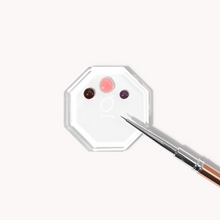
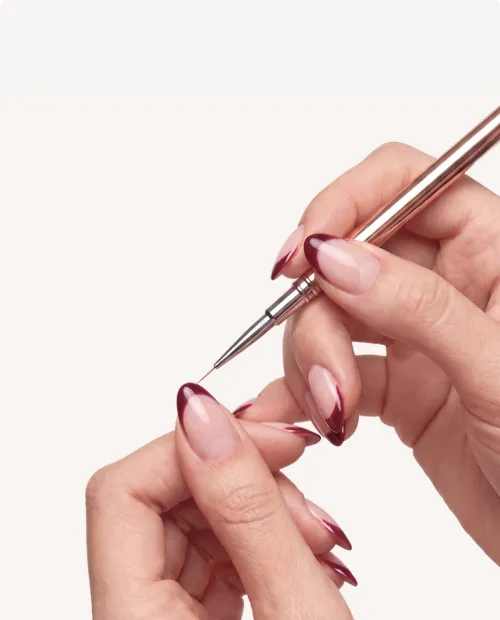
Wipe excess product off the brush on the inside of the bottle neck. Apply a paper-thin layer of your chosen color, such as 519 Lady Like. Keep a tiny margin (about 1 mm) from the cuticle and lateral folds. Seal the free edge and cure for 60 seconds.

Second Thin Layer
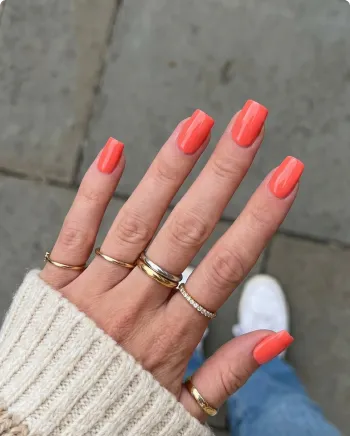
Apply a second thin layer to achieve full opacity. If you prefer deeper tones, a shade like 592 Deep Cherry looks stunning with two coats. Again, seal the free edge and cure for 60 seconds.

If you apply the gel polish too thickly, the UV light will not be able to penetrate to the bottom of the layer. This results in the surface curing while the gel underneath remains liquid, causing the polish to wrinkle, bubble, or peel off entirely. Furthermore, uncured gel resting on the nail plate poses a significant risk for developing contact allergies.
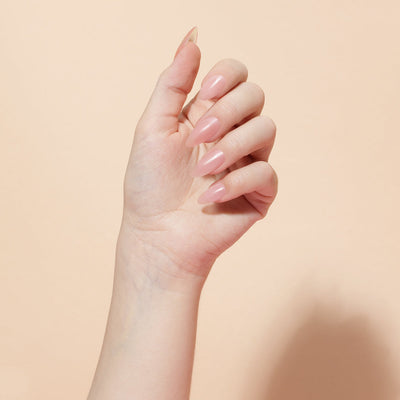
A simple rule of thumb: If the color floods down into your cuticles while you are applying it, your layer is too thick. If you are unsure which color to start with, discover neutral shades like Beige Peach for a forgiving, beginner-friendly application.
Step 4: Top Coat and Finishing Touches
The final step in your application is the top coat. This layer encapsulates the color, providing a high-gloss finish and protecting the manicure from daily wear, scratches, and fading.
Apply an even layer of top coat over the entire nail, ensuring you cover all the color. Once again, seal the free edge meticulously. Cure in the UV lamp for 60 seconds. If you are using a standard top coat, it will leave a sticky layer after curing. Saturate a lint-free wipe with cleaner and firmly wipe the nail to reveal the hard, shiny surface. If you are using a "no-wipe" top coat, this cleansing step is unnecessary.
Important: Gel products block the natural flow of moisture and oils from the nail bed to the surface. To prevent your natural nails from drying out and curling away from the gel (causing lifting), you must apply a high-quality, fragrance-free nail oil at least twice a day.
Massage the nail oil deeply into the cuticles, the lateral folds, and underneath the free edge of the nail. To learn more about maintaining healthy hands, establish a daily hydration routine.
Understanding Curing: Why Gel Polish Doesn't "Dry"
A fundamental concept to grasp as a beginner is the chemistry of UV-curing gel products. Classic nail polish dries through the evaporation of solvents. Gel polish, however, contains liquid monomers, oligomers, and photoinitiators. It never "dries" in the air.
When exposed to specific wavelengths of UV light (typically 365 nm and 405 nm), the photoinitiators activate, causing the molecules to bind together in a process called polymerization. This chemical reaction transforms the liquid gel into a solid, durable plastic-like state within 60 seconds.
It is crucial to use a high-quality lamp that matches your products. Undercuring leaves unreacted molecules that can penetrate the skin and cause allergies. Overcuring (exposing the nails to excessive UV light or sunlight over time) can cause the gel to become brittle, yellowed, and prone to cracking. To understand the safety protocols for UV light, always follow the manufacturer's exact curing times.


When you have enjoyed your manicure for up to 3 weeks and are ready for a change, it is vital that you never peel or force the product off. To protect your natural nails, master the correct removal process using proper filing and dissolving techniques.
Frequently Asked Questions
Expert source
Signe Hartung Roslyng
Founder of TheGelCollection.com & author
Expert guidance in this article is based on knowledge from Negle (Gyldendal, 2024) by Signe Hartung Roslyng — the first Scandinavian reference book on professional gel nails.