















How to Remove Gel Polish Safely and Correctly in 2026

In brief
Removing gel polish (often incorrectly referred to as "gel nail polish") requires the right technique to avoid damaging your natural nails. Never peel or rip the product off. By gently filing the top coat, soaking the nails in acetone, and carefully pushing the gel away, you protect your nail plate and ensure a healthy foundation for your next manicure.
Achieving a flawless, long-lasting manicure at home is incredibly satisfying. However, when the time comes to change your color or remove your manicure, many DIY enthusiasts make critical mistakes. While many people search for ways to "remove gel nail polish," it is important to understand the correct terminology: we are dealing with gel polish, a UV-cured hybrid product, not traditional nail polish that simply air-dries.
Because gel polish is cured under a UV/LED lamp, it forms a strong, durable bond with the nail. This means it cannot be wiped away with standard polish remover. In this comprehensive guide, we will walk you through the professional, safe, and gentle way to remove your gel products at home, ensuring your natural nails remain strong and healthy.
Why Correct Removal is Crucial for Your Nail Health
To understand why proper removal is so important, we need to look briefly at the anatomy of the nail. The visible part of your nail is called the nail plate, which rests on the sensitive skin underneath known as the nail bed. The nail plate consists of tightly packed layers of dead keratin cells.
When you become impatient and decide to peel, pick, or bite off your gel polish, you are not just removing the color. You are forcefully ripping off the top layers of your natural nail plate. This leads to thin, brittle, and damaged nails that are prone to breaking and splitting.
Did you know?
The natural nail plate is made up of approximately 50 to 100 layers of keratin cells. When you forcefully peel off a UV-cured gel product, you can strip away up to 10-15 layers of these cells at once, leaving the nail structurally compromised and highly sensitive.
At The Gel Collection, safety and nail health are our top priorities. That is why ALL our products are 100% HEMA-free, di-HEMA-free, and TPO-free—and they always have been, without exception. Furthermore, our entire range is 21FREE, meaning they are formulated without 21 specific, potentially harmful chemicals commonly found in cosmetics. However, even the safest, most high-quality chemistry requires correct handling during application and removal.
"The most common cause of thin and damaged natural nails is not the gel product itself, but rather incorrect and aggressive removal techniques. Patience during the removal process is the ultimate key to maintaining a healthy nail plate."
— Signe Hartung Roslyng, Negle (Gyldendal, 2024)
Step-by-Step Guide: How to Remove Gel Polish at Home
Removing gel polish correctly is a process that requires a bit of time, but your nails will thank you for it. Follow these steps carefully to ensure a safe removal.
Step 1: Filing the Top Coat (Breaking the Seal)
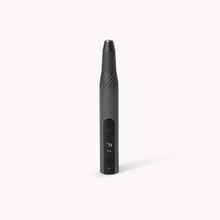
The top coat is designed to be a hard, impenetrable shield that protects your color. Acetone cannot penetrate this layer effectively. You must use a manual nail file (grit 180) or an e-file to gently file away the shiny top layer. If you are using an e-file, a Micro Mandrel Bit with a sanding band is perfect for this. Crucial warning: Only file the top coat and the color layer. Be extremely careful not to file down into the natural nail, as this causes overprepping and severe damage.

Important: If you are generating a lot of dust during the filing process, we highly recommend using a dust collector. Remember to regularly change your Filter for Dust Collector to maintain a clean and safe breathing environment.
Step 2: Soaking with Acetone and Foil
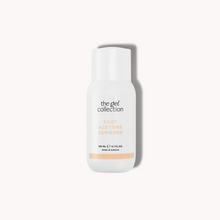
Once the seal is broken, saturate a lint-free wipe with pure acetone. Place the soaked wipe directly over the nail plate and wrap the fingertip tightly in aluminum foil. The foil traps the body heat and prevents the acetone from evaporating, speeding up the breakdown of the gel. Leave the wraps on for 10 to 15 minutes. Note: Thicker products like Rubber Base or Liquid Builder Gel may require slightly more time than standard gel polish.
 Fast Acetone Remover 150ml£8.00
Step 3: Gentle Removal of the Product
Remove one foil wrap at a time. The gel polish should now look cracked, lifted, and crumbly. Take a cuticle pusher (wood or metal) and gently push the softened product off the nail plate, working from the cuticle area towards the free edge. Do not force it. If the gel is still hard and resistant, do not scrape aggressively. Simply re-saturate the wipe, re-wrap the finger, and wait another 5 minutes.
Step 4: Aftercare and Hydration
Acetone is highly effective at breaking down gel, but it also strips natural oils and moisture from your nail plate, the lateral folds (neglevold), and the eponychium (the living tissue at the base of the nail). Once all the product is removed, wash your hands thoroughly with mild soap and water. Follow up by applying a generous amount of high-quality cuticle oil to restore hydration and flexibility to the nail.
Infilling vs. Full Removal: What is Best for the Nail?
While knowing how to do a full removal is essential, doing it too often can take a toll on your nails. If you wear gel nails continuously, performing a full removal every 2-3 weeks exposes your nails to frequent filing and the dehydrating effects of acetone.
 Bonder (Dehydrator)£17.00
Instead, professional nail technicians and advanced DIYers prefer a technique called infilling (opfyldning). Infilling involves filing away the top coat and the color layer, but leaving a thin, structurally sound layer of your base product (such as Liquid Builder Gel or Rubber Base) on the nail plate. You then prep the new nail growth at the cuticle, apply fresh product to balance the nail, and proceed with your new color.
If you plan to start infilling, using a strengthening product is highly recommended. Products like Liquid Builder Gel (also known as BIAB) or PolyGel provide the perfect foundation that can be safely filed down and refilled month after month.


Understanding the Chemistry of Gel Removal
When you apply gel polish, the liquid formula contains photoinitiators. When exposed to UV/LED light, these photoinitiators trigger a chemical reaction that links the molecules together into a solid, durable plastic-like polymer network. This process is called curing (hærdning).
Because the product is fully cured and solid, it requires a strong solvent to break those molecular bonds apart. Acetone works by penetrating the polymer network, causing it to swell and eventually break apart, which is why the gel looks crumbly after soaking. Regular nail polish remover (which is often acetone-free or highly diluted) simply does not have the chemical strength to break down a UV-cured gel network.
By using pure acetone and trapping the heat with foil, you optimize this chemical breakdown, allowing for a safe removal that doesn't require aggressive mechanical scraping.
Frequently Asked Questions
Expert source
Signe Hartung Roslyng
Founder of TheGelCollection.com & author
Expert guidance in this article is based on knowledge from Negle (Gyldendal, 2024) by Signe Hartung Roslyng — the first Scandinavian reference book on professional gel nails.