















Step-by-Step Guide to Nail Care at Home in 2026

In brief
Achieving salon-quality gel nails at home starts with perfect preparation. This comprehensive guide covers the essential steps of nail prep, the anatomy of your natural nail, and why using 100% HEMA-free, di-HEMA-free, and TPO-free UV-curing gel products is crucial for your safety and long-lasting results.
Creating beautiful, long-lasting DIY gel nails at home is a rewarding experience, but the secret to a flawless manicure doesn't lie solely in the color you choose. The absolute foundation of any successful gel manicure is the preparation—commonly referred to as "prep." In fact, proper prep accounts for 90% of the work when it comes to ensuring your gel polish, rubber base, or builder gel lasts for weeks without lifting or chipping.
In this authoritative guide, we will walk you through the exact steps required to prepare your natural nails safely and correctly. Based on professional theory, we will explore nail anatomy, the chemistry of UV-curing gel products, and the strict safety standards we uphold at The Gel Collection.
Know Your Nail: A Brief Look at Nail Anatomy
Before you can properly care for and prepare your nails, you need to understand their anatomy. Treating the nail correctly prevents damage and ensures that your UV-curing gel products adhere perfectly.
- Nail Plate: This is the hard, visible part of the nail (what we colloquially just call "the nail"). This is where you apply your products.
- Nail Bed: The sensitive skin underneath the nail plate.
- Cuticle (Cuticula): The protective skin at the base of the nail. It consists of two parts: the visible cuticle (dead skin that can be gently pushed back and trimmed) and the invisible cuticle (a thin membrane of dead skin cells attached directly to the nail plate).
- Eponychium: The living tissue at the base of the nail. Crucial rule: The living eponychium must NEVER be cut or damaged, as it contains nerves and blood vessels and protects the nail matrix from infection.
- Hyponychium: The skin under the free edge of the nail.
- Nail Matrix: The hidden tissue under the cuticle where the actual nail is formed.
Did you know?
The "invisible cuticle" is the number one cause of gel products lifting. Even if your nail looks clean, this microscopic layer of dead skin cells will prevent gel polish and builder gel from adhering to the nail plate.
"Understanding the difference between the dead cuticle tissue and the living eponychium is the most critical aspect of safe nail prep. Trimming living tissue not only causes pain but opens the door to severe infections and damages the nail's natural defense system."
— Signe Hartung Roslyng, Negle (Gyldendal, 2024)
The Ultimate How-To: 4 Steps for Correct Nail Prep at Home
Proper preparation is the key to longevity. If you experience "lifting" (where the product lifts away from the nail plate), it is almost always a sign of inadequate prep. Follow these four essential steps to create the perfect canvas for your manicure.
Step 1: Cuticle Removal
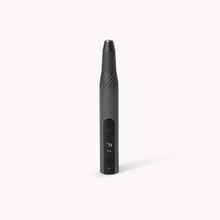
Begin by gently pushing back the visible cuticle using a cuticle pusher. Next, you must remove the invisible cuticle (the thin membrane on the nail plate). For precise and safe removal, an e-file with the right bits is highly recommended. You can use the PACKAGE DEAL • Micro Mandrel Bit + Micro Sanding Bands to gently exfoliate the dead tissue away without damaging the nail plate.

Step 2: Mattifying the Nail Plate
Gel products cannot adhere to a smooth, shiny surface. You need to lightly buff the surface of the nail plate to make it slightly rough. This creates a microscopic surface grid that the gel can grip onto. Warning: Avoid "overprepping." You should only remove the shine; never file the nail thin, as this causes severe damage. Using the PACKAGE DEAL • Sanding Disc Mandrel Bi + Premium Sanding Discs Grit 180 og Grit 240 ensures an even, gentle buffing process.

Step 3: Cleanse with Dehydrator
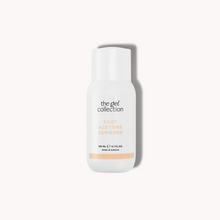
After filing, there will be dust and natural oils left on the nail. Use a lint-free wipe saturated with a dehydrator to thoroughly cleanse the nail plate. The dehydrator temporarily removes moisture and natural oils, creating a bone-dry surface. Pro tip: To keep your workspace clean and dust-free during steps 1 and 2, always use a dust collector. Remember to regularly change your Filter til Dust Collector • The Gel Collection for optimal suction.

Step 4: Apply Primer
The final step of prep is applying a primer. A primer acts as double-sided tape, creating a strong chemical bond between your natural nail and the base coat or builder gel. An acid-free primer is gentle and suitable for most people, while an acid primer offers a stronger bond for problematic nails prone to lifting. You can find essential prep liquids in our Great add-ons to the starter kit • The Gel Collection.

Chemistry and Safety: Why Your Products Mean Everything
When doing DIY gel nails at home, understanding the chemistry of your products is non-negotiable. All UV-curing gel products—whether it is gel polish, rubber base, builder gel, or polygel—contain acrylates. In their liquid, uncured form, acrylates are potential allergens if they repeatedly come into contact with the skin.
Important: At The Gel Collection, your safety is our highest priority. ALL our products are 100% HEMA-free, di-HEMA-free (di-HEMA-TMHDC), and TPO-free—and they always have been, without exception. Furthermore, they are 21-free, meaning they are formulated without 21 specific, potentially harmful chemicals.
HEMA (hydroxyethyl methacrylate) and di-HEMA are two of the most common allergens found in traditional gel products. By completely eliminating them, along with the photoinitiator TPO, we drastically reduce the risk of developing contact allergies, making our products exceptionally safe for home use when applied and cured correctly.
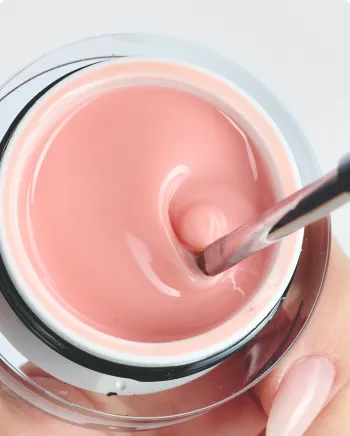
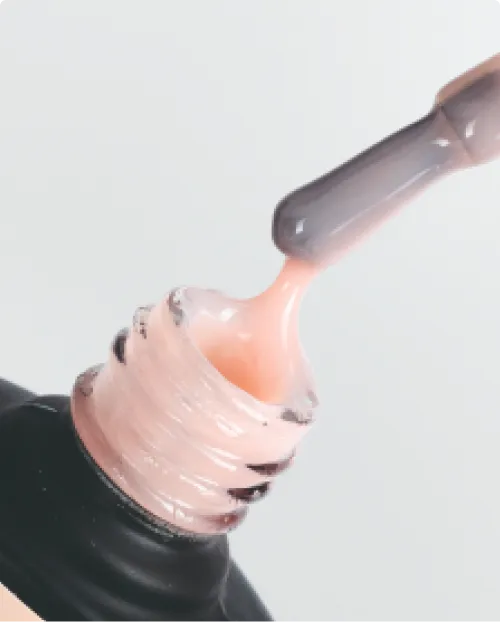
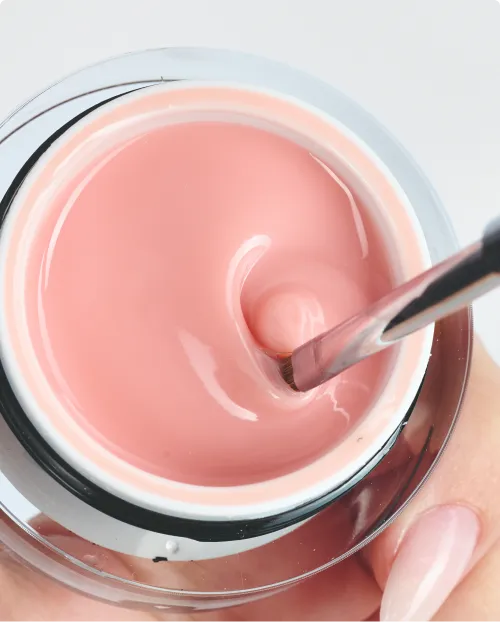
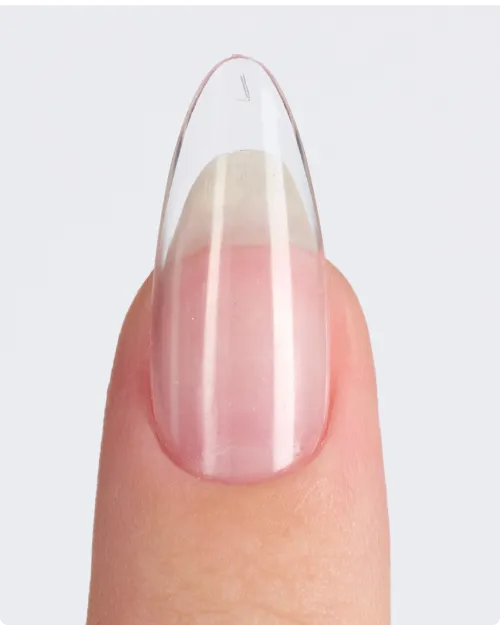
Once your prep is complete, you can safely move on to applying your base and color. Depending on your nail type, you might choose a strengthening product like Liquid Builder Gel • Champagne Shimmer • 21FREE for thin nails, or a hard gel for extensions like PolyGel • Nude Transparent • 21FREE or PolyGel • Milky Pink • 21FREE.


Gel Polish vs. Traditional Nail Polish: What is the Difference?
A common point of confusion in the DIY nail community is terminology. Many people incorrectly search for terms like "gel neglelakk" or "gellak" (especially in Scandinavian regions), but the correct professional term is gel polish.
Gel polish is a hybrid between classic nail polish and gel. Unlike traditional nail polish, which dries through the evaporation of solvents when exposed to air, gel polish does not dry. It must be cured under a UV/LED lamp. The UV light activates photoinitiators within the gel, causing a chemical reaction that hardens the liquid into a solid, durable state.
Because gel polish requires curing, having a high-quality lamp is essential. Undercuring leads to soft products, poor durability, and a significantly higher risk of allergies. Overcuring can cause the color to fade, yellowing, and brittle nails. We highly recommend using a smart lamp with a "low heat mode," which gradually increases the UV light for a gentle curing process.

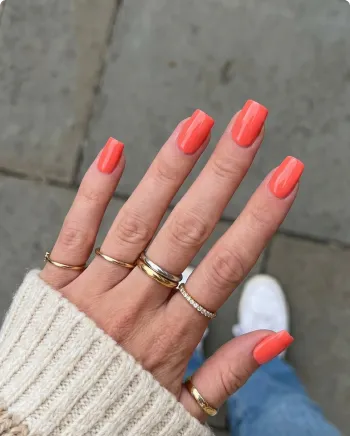
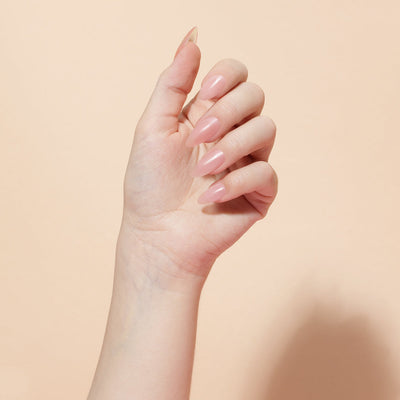
Once your prep is flawless and you understand the curing process, the fun begins! You can apply stunning colors like Gel Polish • 800 Peony Pop • 21FREE or experiment with nail art using our Blooming Gel Kit. If you are looking for the ultimate gift for a nail enthusiast to upgrade their routine, check out The kit for the person who has everything.
Remember, maintaining your tools is just as important as the prep itself. Keep your e-file bits clean, and if you travel often, always keep a Refill for Travel Kit • The Gel Collection handy so you never compromise on your prep routine while on the go.
Frequently Asked Questions
Expert source
Signe Hartung Roslyng
Founder of TheGelCollection.com & author
Expert guidance in this article is based on knowledge from Negle (Gyldendal, 2024) by Signe Hartung Roslyng — the first Scandinavian reference book on professional gel nails.