















The Complete Video Guide to Gel Nail Polish Application for 2026

In brief
Mastering DIY gel nails at home requires the correct terminology, thorough preparation (prep), and a precise application technique. This comprehensive guide walks you through every step—from cuticle care to curing in a UV/LED lamp. Crucially, to ensure your safety, all products from The Gel Collection are 100% HEMA-free, di-HEMA-free, and TPO-free, and always have been.
Welcome to your ultimate masterclass in applying gel polish at home. Whether you are a beginner looking to start your DIY nail journey or slightly more experienced but struggling with issues like lifting, this guide is designed to be your definitive reference. While watching a video tutorial is incredibly helpful for visualizing the process, having a structured, text-based guide ensures you understand the vital theory behind the techniques.
Creating beautiful, long-lasting gel nails is not just about painting on color; it is about understanding nail anatomy, respecting the chemistry of the products, and following a strict protocol for preparation and curing. By the end of this guide, you will be equipped with the knowledge to achieve a flawless manicure that lasts up to three weeks, without compromising the health of your natural nails. If you are looking for the ultimate starting point, The kit for the person who has everything provides a fantastic foundation for your new hobby.
Gel Polish vs. "Gel Nail Polish" – Know Your Terminology
Before we dive into the application steps, we need to address a common misconception in the beauty world. Many people search for "gel nail polish" or simply refer to it as "nail polish." However, in the professional realm and according to the authoritative theory on nail care, the correct term is gel polish.
Did you know?
Gel polish is a hybrid product. It combines the ease of application of classic nail polish with the durability of hard gel. Unlike traditional polish, gel polish does not air dry; it must be cured under UV or LED light to harden.
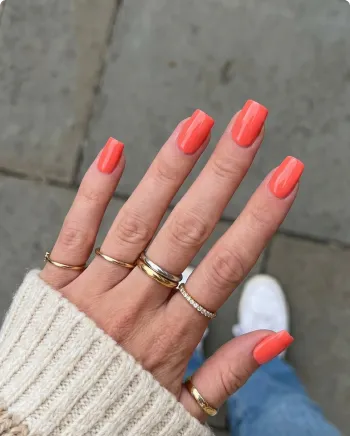
Gel polish provides vibrant color and a high-gloss finish that can last up to three weeks. However, it is essential to note that gel polish has a thin, liquid consistency and does not provide structural reinforcement on its own. It is best suited for naturally strong nails or applied over a reinforcing layer like a rubber base or builder gel.
Step 1: Prep – Preparation is the Key to Durability
If your gel polish lifts or chips prematurely, the culprit is almost always improper prep. "Prep" is the crucial preparation of the nail before any product is applied. It ensures that the gel can form a strong bond with the natural nail plate.
"Thorough preparation of the nail plate is non-negotiable. If you leave dead skin cells on the nail or fail to remove natural oils, the gel product will inevitably lift, no matter how high the quality of the product is."
— Signe Hartung Roslyng, Negle (Gyldendal, 2024)
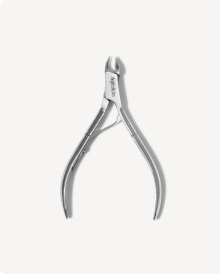
To perform a safe and effective prep, you must understand basic nail anatomy. The visible part of the nail is the nail plate. At the base of the nail is the cuticle area. You must distinguish between the visible cuticle (dead skin that can be pushed back and nipped), the invisible cuticle (a thin membrane of dead cells clinging to the nail plate), and the eponychium (the living tissue at the base of the nail). You must never cut or damage the living eponychium, as it contains nerves and blood vessels and protects the nail matrix from infection.
Cuticle Care
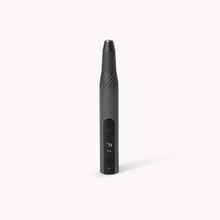
Gently push back the visible cuticle using a cuticle pusher. Carefully remove the invisible cuticle from the nail plate. If you use an e-file, PACKAGE DEAL • Micro Mandrel Bit + Micro Sanding Bands is excellent for precise, gentle cuticle work.
Mattifying the Nail Plate
Lightly buff the surface of the nail plate with a buffer or a fine sanding disc. The goal is to remove the natural shine and create a microscopic surface grid for the gel to adhere to. Be extremely careful to avoid overprepping—filing too much will thin and damage the natural nail.
Dehydrator and Primer
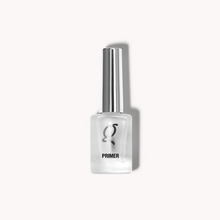
Wipe the nail with a dehydrator to remove any remaining moisture and natural oils. Finally, apply a primer (an acid-free primer is gentle and suitable for most nail types) to create a chemical bond between the natural nail and the gel product.

Pro tip: When filing and prepping, nail dust is inevitable. Using a Filter til Dust Collector • The Gel Collection ensures your workspace remains clean and minimizes the inhalation of fine dust particles.
Step 2: Base Coat and Reinforcement (Optional but Recommended)
Because gel polish has a thin consistency, it does not provide structural strength to the nail. If you have normal, strong nails, a standard base coat is sufficient before applying your color. However, if you have thin, fragile, or soft nails, you need reinforcement.
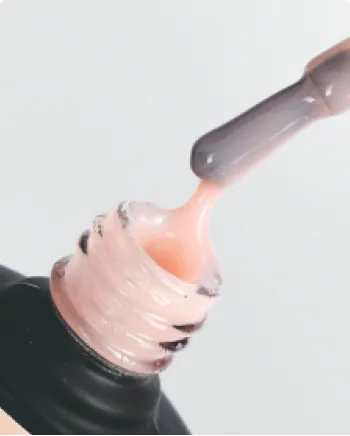
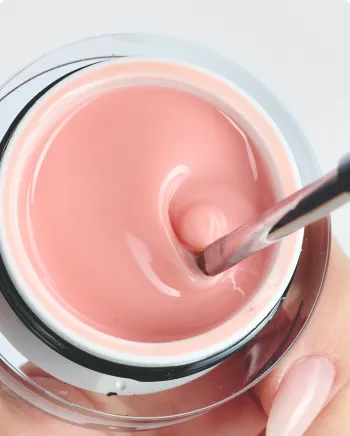
For flexible nails that bend easily, a Rubber Base is ideal. It is a flexible gel that moves with the natural nail, preventing the product from cracking. For nails that need rigid structure, or for minor repairs, a Liquid Builder Gel (also known as BIAB - Builder in a Bottle) is the superior choice. It applies easily with an integrated brush but cures into a hard, protective layer.

Step 3: How to Apply Gel Polish (The Color)
Applying the color is where precision matters most. The golden rule of gel polish application is: Apply in thin layers.
If you apply the gel polish too thickly, the UV light will not be able to penetrate all the way through the product. This results in undercuring, where the surface feels hard, but the gel underneath remains soft and liquid. Undercured gel is a primary cause of poor durability and, more importantly, a significant risk factor for developing acrylate allergies.
Important: Gel polish must never touch the skin. Keep a tiny margin between the product and your cuticle/lateral folds. If gel cures on the skin, it will cause lifting as the skin naturally produces oils and sheds, and it drastically increases the risk of allergic reactions.
Apply your first thin layer of color and cure it. Do not worry if it looks slightly streaky; the second thin layer will provide full, even coverage. If you want to get creative with nail art, applying a layer from a Blooming Gel Kit over your base color allows you to create effortless marble or floral designs before curing.


Step 4: Curing in a UV/LED Lamp
One of the most critical distinctions to understand in nail theory is that gel products do not dry; they cure. Curing is a chemical reaction triggered by UV or LED light interacting with photoinitiators in the gel, turning the liquid into a solid polymer.
Curing time varies depending on the specific product and the lamp you are using. It is vital to follow the manufacturer's instructions carefully. As mentioned earlier, undercuring is dangerous. Conversely, overcuring can cause the color to fade, develop yellowish tones, and make the gel brittle and prone to cracking.
During the curing process, you might experience a slight heat spike on your nails. This is a completely normal byproduct of the chemical reaction. If it becomes uncomfortable, remove your hand from the lamp for a few seconds. High-quality lamps often feature a "Low heat mode," which gradually increases the UV light intensity to provide a gentler curing process.

Step 5: Top Coat and Finishing
The final step in your application is the top coat. A top coat seals the color, protects it from scratches and daily wear, and provides that coveted, long-lasting high-gloss finish (or a chic matte finish, depending on your preference).
Apply the top coat in a slightly thicker layer than your color, ensuring you cap the free edge of the nail (the tip) to prevent the polish from shrinking back or chipping. Cure fully according to the lamp's instructions. Once cured, finish your manicure by applying a nourishing cuticle oil to rehydrate the skin around the nail, which may have become dry during the prep process.
Chemistry and Safety: Why You Should Choose 100% HEMA-Free Products
When doing DIY gel nails, safety should always be your top priority. All UV-curing gel products contain acrylates, which are the ingredients that allow the gel to harden. In their liquid, uncured form, acrylates are known allergens. However, once properly cured into a solid state, they are completely safe.
Certain acrylates are more prone to causing allergic reactions than others. HEMA (hydroxyethyl methacrylate) and di-HEMA-TMHDC are two of the most common allergens found in many nail products on the market. Another ingredient to be aware of is TPO (trimethylbenzoyl diphenylphosphine oxide), a photoinitiator that is facing stricter regulations in the EU.
Important: All products from The Gel Collection are 100% HEMA-free, di-HEMA-free, and TPO-free—and they ALWAYS have been, without exception. Furthermore, they adhere to a strict 21-free standard, meaning they are formulated without 21 specific, potentially harmful chemicals. This is not a trend; it is a fundamental commitment to safe DIY nail care.
By combining thorough prep, precise application, correct curing, and using uncompromisingly safe products, you can enjoy salon-quality gel nails at home with complete peace of mind. If you are building your collection, checking out Great add-ons to the starter kit • The Gel Collection or the Refill for Travel Kit • The Gel Collection is a great way to ensure you always have the essentials on hand.
Frequently Asked Questions
Expert source
Signe Hartung Roslyng
Founder of TheGelCollection.com & author
Expert guidance in this article is based on knowledge from Negle (Gyldendal, 2024) by Signe Hartung Roslyng — the first Scandinavian reference book on professional gel nails.
Related articles
Watch Our Video Guides
Learn the technique visually with our step-by-step videos from the learning universe:
- 🎬 Step-by-Step: The Perfect Prep
- 🎬 Step-by-Step: Application of Gel Polish
- 🎬 Step-by-Step: Removal of Gel Polish