















Rubber Base Gel: The Complete Application and Removal Guide

In brief
Rubber base gel is a flexible, UV-curing strengthening treatment designed for natural nails, offering 4-6 weeks of durability. For the healthiest nail care routine, you should maintain rubber base gel through regular infillings every 3-4 weeks rather than performing full removals, as the natural nail plate does not require oxygen.
If you struggle with thin, brittle, or damaged nails, mastering rubber base gel is the definitive solution for achieving a durable, long-lasting manicure at home. Rubber base gel is a thick, self-leveling UV-curing gel that provides exceptional strength while remaining flexible enough to bend with your natural nail plate. When applied correctly and cured for exactly 60 seconds under a 48W UV/LED lamp, a rubber base manicure delivers a flawless wear time of 4 to 6 weeks.
At The Gel Collection, safety and chemistry are our highest priorities. According to EU Cosmetic Regulation standards, and as a strict brand guarantee, 100% of our products are completely HEMA-free, di-HEMA-free, TPO-free, and 21-free. This significantly reduces the risk of contact allergies for DIY home users. In this comprehensive guide, we will walk you through the exact science of preparation, application, and safe removal to ensure your natural nails remain healthy and strong.
What is Rubber Base Gel?
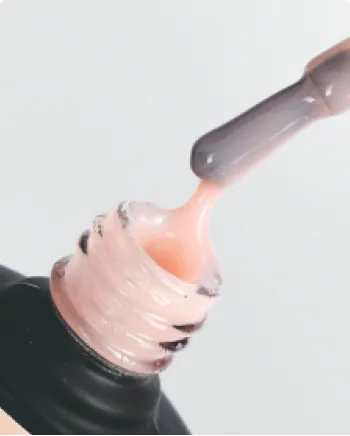
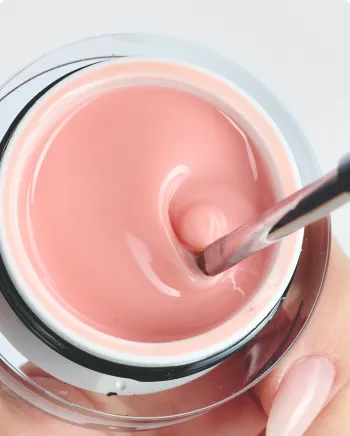
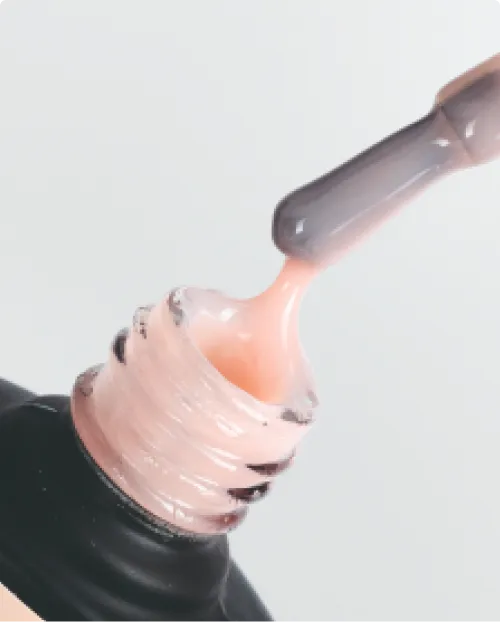
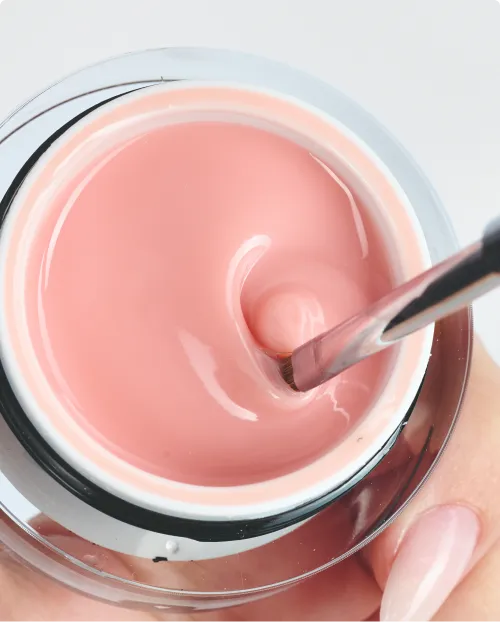
Rubber base gel is a specialized UV-curing gel product formulated to reinforce the natural nail. Unlike traditional gel polish, which is thin and offers no structural reinforcement, rubber base gel has a thicker viscosity that allows you to build an apex and correct uneven nail plates. However, unlike hard builder gel or polygel, rubber base retains a rubber-like flexibility after curing.
This flexibility is its greatest advantage. When you bump your hand against a hard surface, a rigid product might crack or cause the natural nail to snap. Rubber base gel absorbs the shock and flexes with the natural nail, making it the absolute best choice for short to medium-length nails that are naturally thin or prone to flaking.
Did you know?
Gel products do not "dry" in the air. They consist of liquid monomers, oligomers, and photoinitiators. When exposed to specific UV light wavelengths (typically 365 nm and 405 nm), a chemical reaction occurs that binds the molecules together into a solid plastic state. This process is called curing.
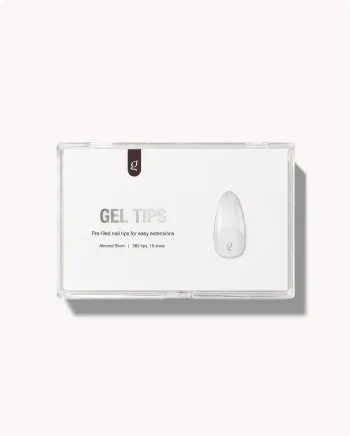
It is important to note that rubber base gel is not structurally strong enough to create long extensions on forms or tips. If you wish to extend your nails significantly from scratch, you should explore our builder gel collection or utilize soft gel press-on tips.
Essential Prep: The Foundation for 4-6 Weeks of Wear
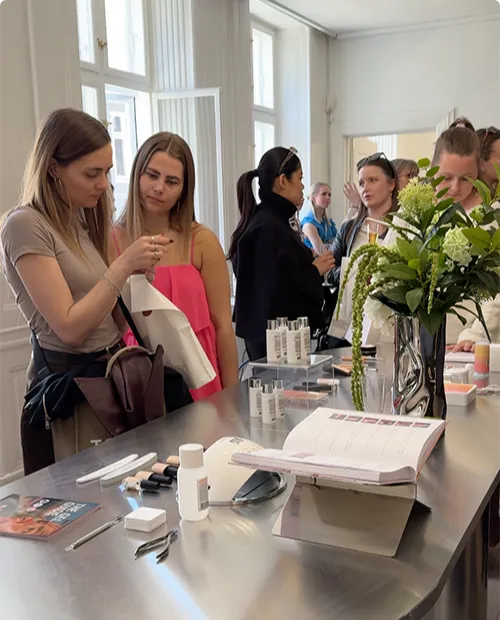
The most common cause of lifting (when the gel detaches from the nail plate) is improper preparation. The nail plate consists of 25 to 50 layers of dead keratin cells and naturally produces oils. If even a microscopic amount of oil, dust, or invisible cuticle remains on the nail plate, the rubber base gel will not adhere properly.
"Over-filing during preparation is the primary reason natural nails become thin and painful. You should never file layers off the natural nail plate; you only need to gently mattify the surface to create a microscopic grid for the gel to grip."
— Signe Hartung Roslyng, Negle (Gyldendal, 2024)
Follow these exact steps for flawless preparation:
Shape the Free Edge
Use a fine 220/240-grit file to shape the free edge of your nail. Never use a coarse file on the natural nail, as this causes the keratin layers to split and splinter.
Remove Cuticles
Push back the eponychium (cuticle fold) with a cuticle pusher. It is critical to remove both the visible dead skin and the invisible cuticle—a thin, transparent membrane of dead cells attached directly to the nail plate.
Mattify the Nail Plate
Gently buff the entire surface of the nail using a 100-grit buffer sponge. Ensure you reach the lateral folds (sides) and near the cuticle area. The nail should appear entirely matte with no shiny spots.
Cleanse and Dehydrate
Saturate a lint-free wipe with cleaner and scrub the nail plate vigorously to remove all filing dust and natural oils. Once cleansed, absolutely do not touch the nail plate with your fingers.
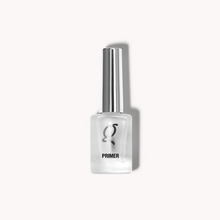
Apply Bonder/Primer
Apply a very thin layer of Bonder to the natural nail. This acts as double-sided tape between the keratin and the gel. Let it air dry completely for 60 seconds.

Step-by-Step: How to Apply Rubber Base Gel
A frequent question from beginners is: how many layers of rubber base gel should I use? The definitive answer is two layers applied in a specific sequence: an uncured "slip layer" followed immediately by a thicker building bead.
Because rubber base gel is self-leveling, it naturally wants to flow into areas that are already wet with gel. By utilizing the slip layer technique, you maintain total control over the product.
1. The Slip Layer
Apply a very thin layer of rubber base gel over the entire nail plate, ensuring you do not touch the skin or cuticles. Do not cure this layer yet. This wet layer acts as a guide path for the next step.
2. Building the Apex
Pick up a small bead of rubber base gel on your brush and place it near the cuticle area (the upper arch). Gently guide the bead down the center of the nail towards the free edge. Because of the uncured slip layer underneath, the gel will seamlessly level itself out. The highest point of the gel (the apex) should be placed at the stress point of the nail to provide maximum structural integrity.
3. Sealing the Free Edge
Before curing, you must seal the free edge. Brush the gel horizontally across the very tip of the nail. This creates a protective barrier that prevents water and dirt from penetrating between the natural nail and the gel, which is the leading cause of tip lifting.
4. The Curing Process
If the gel starts to flow toward the lateral folds, you can turn your finger upside down for a few seconds; gravity will pull the apex back to the center. Immediately place the nail under the UV/LED lamp. We recommend a 10-second "flash cure" between each finger to freeze the gel in place, followed by a full 60-second cure for the entire hand once all five fingers are done. See more video guides in our learning universe to understand the science of UV light.
Important: After curing, the gel will have a sticky surface known as the inhibition layer. Do not wipe this off! This sticky layer is chemically necessary for the next layer of color or top coat to adhere properly.
Adding Color and Shine: Gel Polish and Top Coat
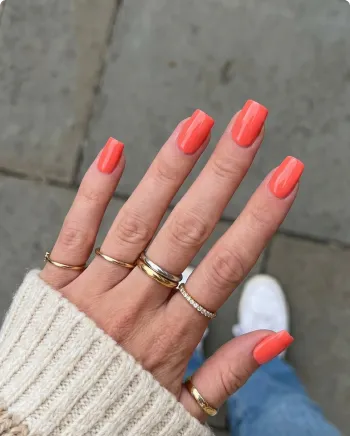
Once your rubber base gel is fully cured and structured, you have a perfect, smooth canvas. At this stage, you can apply your preferred color. It is crucial to use the correct terminology: we use gel polish, never traditional nail polish. Gel polish requires UV curing and provides a high-gloss finish that lasts for weeks without chipping.
Apply your gel polish in extremely thin layers. If the layer is too thick, the UV light cannot penetrate to the bottom, resulting in uncured liquid gel trapped beneath a hardened surface. This causes wrinkling and poses a severe allergy risk. Apply two thin coats of color, curing for 60 seconds after each coat. Remember to seal the free edge with every single layer.


Finally, you must apply a rubber base gel top coat or a standard no-wipe top coat to seal the color, protect against scratches, and provide a lasting shine. Cure the top coat for 60 seconds. Browse our gel polish color palette to find your perfect shade.
Maintenance: Why Infilling is Better Than Removal
A widespread myth in the beauty industry is that nails need to "breathe" or take a break from gel products. This is biologically incorrect. The visible nail plate consists entirely of dead keratin cells; it receives its nutrients and blood supply solely from the living nail bed underneath. The nail plate does not require oxygen from the air.
Therefore, the healthiest approach to maintaining your rubber base gel is through regular infillings (opfyldning) every 3 to 4 weeks, rather than performing a full removal. Repeatedly dissolving and scraping product off the nail plate causes unnecessary trauma and dehydration.
The Infill Process
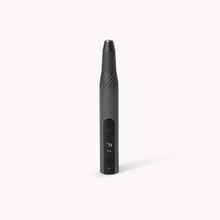
To perform an infill, use a medium 180-grit file or an electric nail file to remove the top coat, the color layers, and about 50-80% of the old rubber base gel. Flatten the old apex. Next, carefully file away any areas where the old gel has lifted from the nail plate.
Once the old product is thinned out and flush with the natural nail, perform your standard prep routine strictly on the newly grown natural nail at the cuticle area. Apply your bonder, and then use fresh rubber base gel to rebuild the apex and restore the structural balance of the nail. This method protects the underlying natural nail from constant filing and chemical exposure.
How to Remove Rubber Base Gel Safely
If you decide you no longer want gel on your nails, or if the product has lifted significantly, you must know exactly how to remove rubber base gel safely. Never pick, peel, or force the gel off your nails. Tearing the gel pulls layers of natural keratin with it, resulting in paper-thin, painful nails.
Follow this safe removal protocol:
- Filing: Use a coarse file to remove the top coat, color, and 80-90% of the rubber base gel. You should file down until you only have a paper-thin layer of gel remaining. Never file down to the natural nail.
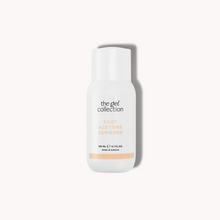
- Soaking: Saturate a lint-free wipe with pure acetone, place it over the nail, and wrap it tightly in foil or silicone removal caps. Heat accelerates the process, so wrapping your hands in a warm towel is highly effective. Leave it for 10-15 minutes.
- Scraping: Remove one wrap at a time. The remaining gel should look crumbled and lifted. Gently push it off using a wooden rosewood stick. Never use metal tools for removal, as they easily gouge the softened natural nail plate.
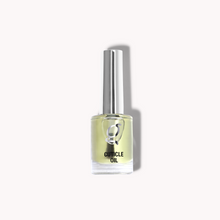
- Hydration: Acetone severely dehydrates the nail and surrounding skin. Finish by washing your hands and applying a high-quality, fragrance-free nail oil. Apply oil at least twice daily to restore the keratin's natural flexibility.
Read our complete guide on the removal of gel products for more detailed instructions.
Why Choose The Gel Collection for Your DIY Gel Nails?
When performing DIY gel nails at home, the chemistry of the products you use dictates your safety. Many professional-only products or cheap imports from Asian platforms contain high levels of HEMA (hydroxyethyl methacrylate), di-HEMA, and TPO. These are known allergens that, if exposed to the skin in their uncured liquid state, can cause severe and permanent contact dermatitis.
Did you know?
According to EU Cosmetic Regulation 2024/996, certain photoinitiators like TPO are strictly regulated due to safety concerns. The Gel Collection is fully compliant and goes beyond standard regulations.
The Gel Collection was founded to eliminate this risk. All of our products are 100% HEMA-free, di-HEMA-free, and TPO-free. Furthermore, our formulas are 21-free, meaning they exclude 21 specific, potentially harmful chemicals commonly found in traditional nail cosmetics. We provide salon-quality durability with chemistry specifically optimized and legally approved for safe home use.
By combining our pure chemistry with the correct application and infilling techniques outlined in this guide, you can achieve beautiful, strong nails without compromising your health.
Frequently Asked Questions
Expert source
Signe Hartung Roslyng
Founder of TheGelCollection.com & author
Expert guidance in this article is based on knowledge from Negle (Gyldendal, 2024) by Signe Hartung Roslyng — the first Scandinavian reference book on professional gel nails.