












Create Beautiful Nail Art with Gel Polish at Home: A Creative Guide 2026

In brief
Creating beautiful DIY nail art at home is easier than ever when you use the right techniques and products. By using high-quality gel polish instead of traditional polish, you get unlimited time to perfect your designs before curing them under a UV/LED lamp. This guide teaches you the essential prep, easy beginner designs, and why choosing 100% HEMA-free products is crucial for your safety.
Welcome to the ultimate guide to DIY nail art! If you have ever scrolled through social media and marveled at intricate nail designs, you might have thought that achieving such looks at home was impossible. However, the secret to flawless, long-lasting nail art isn't necessarily years of salon experience—it is understanding the correct use of gel polish and having the right tools at your disposal.
Whether you are a complete beginner or someone looking to upgrade from solid colors to creative patterns, this guide will walk you through everything you need to know. From mastering the crucial preparation steps to executing beautiful designs, we will ensure your DIY gel nails are not only stunning but also safely applied.
Important: The foundation of any beautiful nail art is a healthy, properly prepped natural nail. Never skip your prep routine, and always ensure you are using a high-quality UV/LED lamp for correct curing.
The Difference Between Traditional Nail Polish and Gel Polish for Nail Art
Many beginners search for terms like "gel nail polish" when looking for long-lasting color. However, in professional terminology, there is a strict distinction. What we use for durable, UV-curing manicures is called gel polish—a hybrid between classic polish and gel. We never refer to it simply as "nail polish," as the chemical composition and application methods are entirely different.
So, why is gel polish vastly superior for nail art?
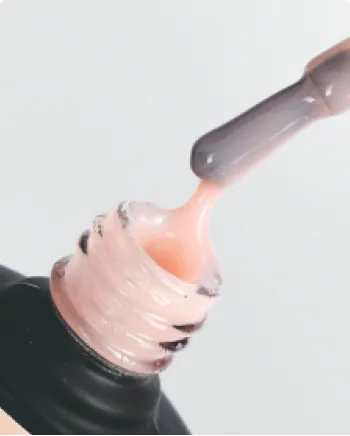
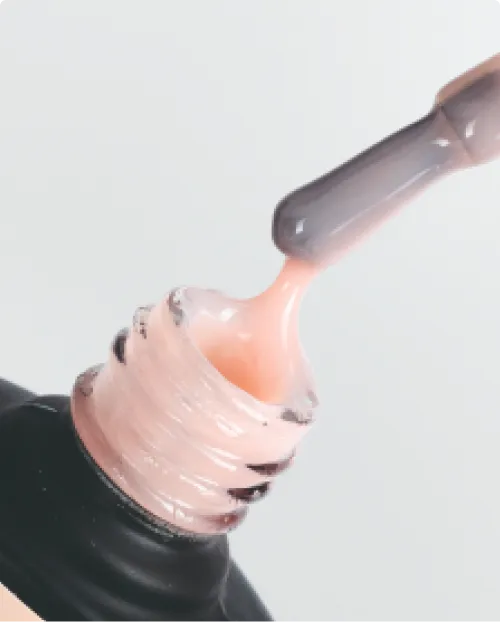
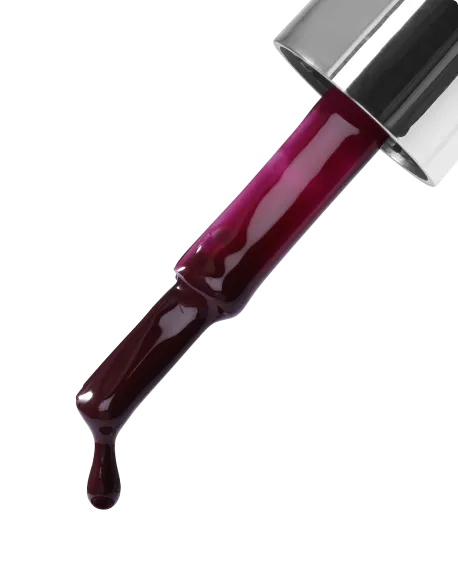
- No Air Drying: Traditional polish begins to dry the second it hits the air, making it sticky and difficult to manipulate. Gel polish, on the other hand, remains entirely fluid until it is exposed to UV/LED light. This means you have unlimited time to draw, wipe away mistakes, and perfect your design before you lock it in by curing it.
- Self-Leveling Properties: High-quality gel polish naturally levels itself out, eliminating brush strokes and creating a smooth, glass-like canvas for your art.
- Durability: While traditional polish chips within days, a properly prepped and cured gel polish design can last up to 3 weeks with a brilliant shine.
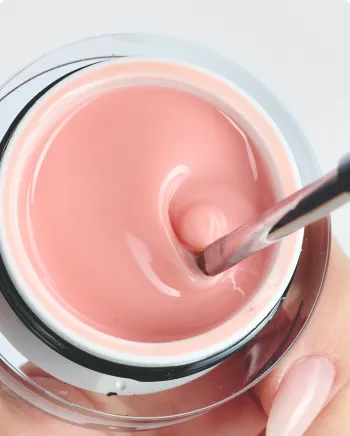
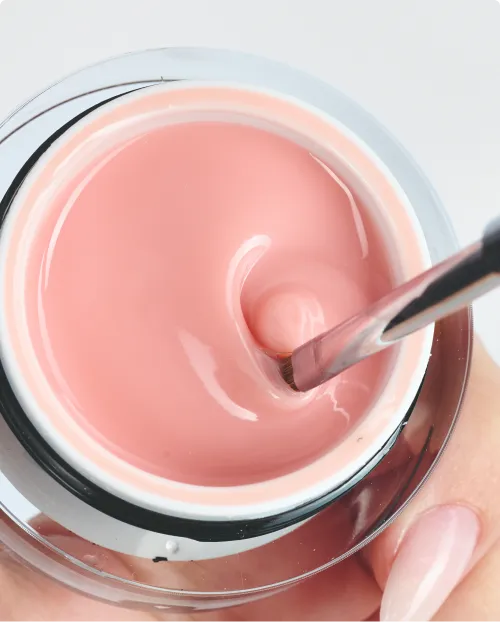
If your natural nails are thin or brittle, gel polish alone will not provide structural reinforcement. In such cases, you should apply a strengthening layer underneath your color, such as a rubber base or a Liquid Builder Gel • Champagne Shimmer • 21FREE, which provides excellent durability and a beautiful base color for nail art.
The Essential Equipment for DIY Nail Art
To create beautiful designs, you need the right tools. Attempting nail art with the standard brush inside the gel polish bottle is often frustrating. Here is what you need in your DIY kit:
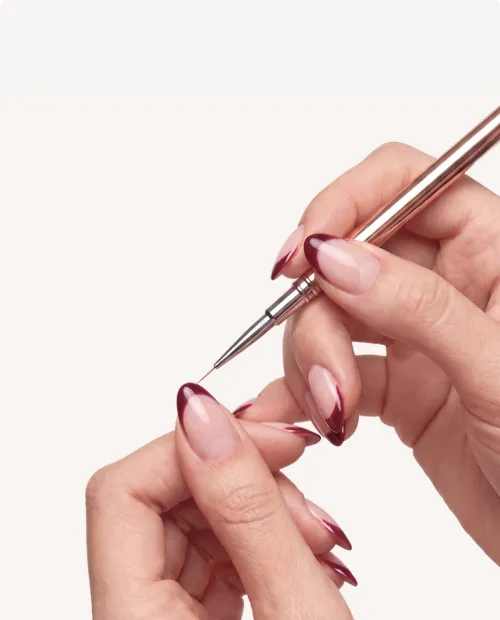
- Liner Brushes: Ultra-thin brushes used for drawing fine lines, French tips, and intricate details.
- Dotting Tools: Metal tools with rounded tips in various sizes, perfect for creating dots, flowers, and leopard prints.
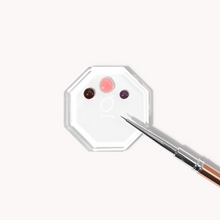
- A Mixing Palette: A small glass or metal surface to place drops of gel polish on, making it easy to pick up color with your brushes.
- High-Quality Gel Polish: Highly pigmented colors that do not bleed or run easily.
- A Reliable UV/LED Lamp: Essential for proper curing. Under-curing can lead to soft products and an increased risk of allergies.


Step-by-Step: How to Prepare the Nail (Prep)
Before you even think about colors and designs, you must master your prep. Proper preparation is the absolute foundation of gel nails. If your gel polish lifts or peels off, 99% of the time, it is due to inadequate prep. When filing and prepping, using a dust collector with a fresh Filter for Dust Collector is highly recommended to keep your workspace safe from fine dust particles.
Cuticle Care
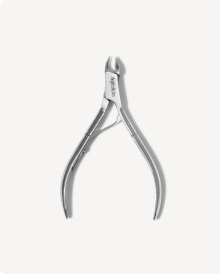
Gently push back the cuticle using a cuticle pusher. You must remove the invisible cuticle (the thin layer of dead skin cells on the nail plate) to ensure the gel adheres. Carefully nip away any dead, visible cuticle, but never cut the living eponychium at the base of the nail.
Mattify the Nail Plate
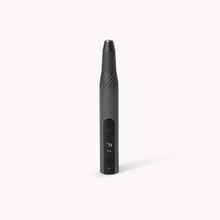
The surface of the nail must be made slightly rough (mattified) to create a surface grid for the gel to grip onto. Be very careful to avoid overprepping, which thins and damages the natural nail. Using a high-quality e-file bit like the PACKAGE DEAL • Micro Mandrel Bit + Micro Sanding Bands makes this step gentle and precise.

Dehydrate and Prime
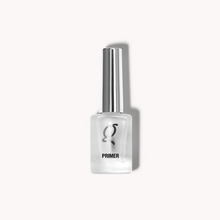
Cleanse the nail thoroughly with a dehydrator to remove moisture and natural oils. Once dry, apply a primer. An acid-free primer is gentle and suitable for most, creating a chemical bond between the nail plate and the gel product.
3 Easy Nail Art Designs You Can Do Yourself
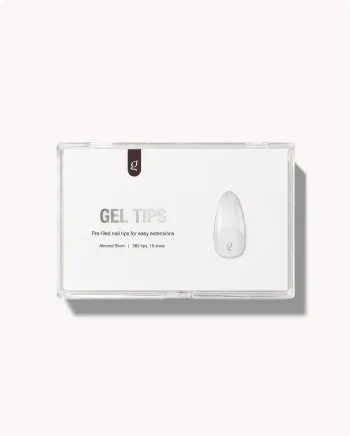
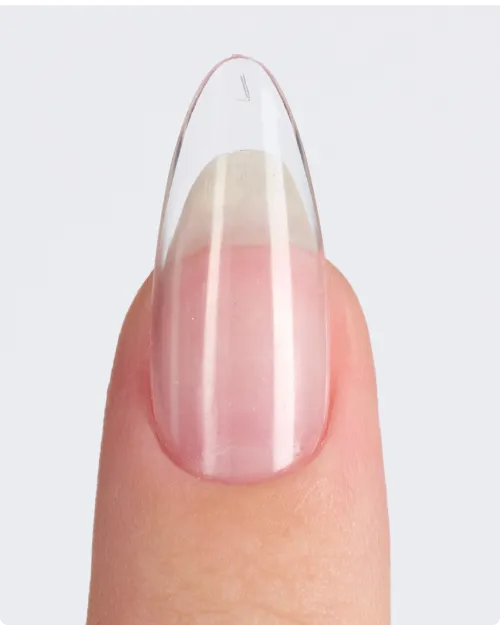
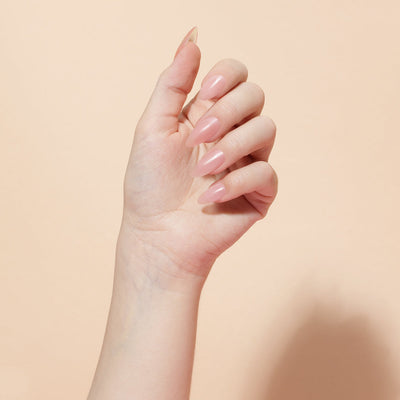
Once your prep is done and your base coat (or builder gel/polygel) is cured, you are ready for the fun part. If you want to build extensions before doing nail art, products like PolyGel • Nude Transparent or PolyGel • Milky Pink are perfect for creating long, strong canvases for your designs.
Design 1: Dots and Flowers (Using a Dotting Tool)
This is the most beginner-friendly design. Apply your background color and cure it fully. Place a few drops of your chosen flower colors on a mixing palette. Dip your dotting tool into the gel polish and place five dots in a circle on the nail to form petals. Wipe the tool clean, dip it into a contrasting color (like yellow or gold), and place one dot in the center. Pro tip: Flash cure your nail for 10-15 seconds in your UV/LED lamp after finishing each flower. This freezes the gel polish so it doesn't spread while you work on the next one!
Design 2: The Modern French Tip (Using a Liner Brush)
The classic French tip has been modernized with vibrant colors and deep smiles. Apply a sheer, natural base color (like a rubber base) and cure. Take a long liner brush and dip it into your tip color. Draw a horizontal line across the free edge to mark the thickness. Then, draw two curved lines from the sides of the nail (the lateral folds) connecting down to the center line, creating a "U" shape. Fill in the tip, perfect the smile line, and cure.
Design 3: The Marble Effect (Using Blooming Gel)
Blooming gel is a magical product that causes gel polish applied on top of it to spread and "bloom," creating effortless marble, watercolor, or aura effects. Apply a layer of blooming gel, but do not cure it yet. Using a liner brush, draw squiggly lines or drop dots of color into the wet blooming gel. Watch the magic happen as the color disperses. Once you are happy with the effect, cure it immediately in the lamp.


Chemistry and Safety: Why You Should Choose 21-Free Gel Polish
When working with UV-curing gel products at home, understanding basic chemistry is vital for your safety. All UV-curing gel products contain acrylates, which are the ingredients that allow the product to harden under UV/LED light. In their liquid form, acrylates can be allergenic if they repeatedly come into contact with the skin.
This is why proper application (avoiding the skin and cuticles) and proper curing are non-negotiable. When the gel polish is correctly cured in the lamp, the liquid acrylates undergo a chemical reaction, transforming into a solid polymer state. Once fully cured, the product is completely safe.
Did you know?
Over-curing your gel polish can lead to faded colors, yellowish tones, and brittle nails, while under-curing leaves the product soft, compromises durability, and significantly increases the risk of developing allergies. Always follow the specific curing times for your products and lamp.
At The Gel Collection, we take your safety extremely seriously. ALL our products are 100% HEMA-free, di-HEMA-free (di-HEMA-TMHDC), and TPO-free—and they have always been, without exception. HEMA and di-HEMA are among the most common allergens found in cheaper nail products, and TPO is a photoinitiator that has raised safety concerns. Furthermore, our entire range is 21-free, meaning they are formulated without 21 specific, potentially harmful chemicals commonly found in cosmetics.
"All UV-curing gel products contain acrylates, which are allergenic in their liquid form. However, correct curing transforms them into a solid state, making them safe. Choosing products without high-risk allergens like HEMA minimizes the risk for DIY users."
— Signe Hartung Roslyng, Negle (Gyldendal, 2024)
Always finish your nail art with a high-quality top coat to seal in the design, provide a brilliant shine, and protect your artwork from scratches for weeks to come.
Frequently Asked Questions
Expert source
Signe Hartung Roslyng
Founder of TheGelCollection.com & author
Expert guidance in this article is based on knowledge from Negle (Gyldendal, 2024) by Signe Hartung Roslyng — the first Scandinavian reference book on professional gel nails.