















How to Apply Gel Polish at Home for Flawless Results

In brief
Flawless DIY gel polish application requires precise preparation, thin product layers, and proper UV curing. By using products that are 100% HEMA-free, di-HEMA-free, and TPO-free, you ensure a safe, salon-quality result that lasts 2-4 weeks without damaging the natural nail plate.
Achieving a flawless, long-lasting gel polish manicure at home is a matter of chemistry, correct technique, and uncompromising safety standards. According to the authoritative guide Negle by Signe Hartung Roslyng (Gyldendal, 2024), successful application relies on understanding the natural nail and using the right UV-curing gel products.
Statistics show that proper preparation increases retention time by up to 300%, ensuring your manicure lasts a full 14 to 28 days. Furthermore, under strict EU Cosmetics Regulation standards, all products from The Gel Collection are formulated with a safety margin of at least 100x. Every single product is 100% HEMA-free, di-HEMA-free, TPO-free, and 21-free. A standard curing process takes exactly 60 seconds under a 48W UV/LED lamp, transforming the liquid gel into a durable, solid state.
The Science of Safe DIY Gel Polish
Before diving into the application process, it is crucial to understand what you are applying to your nails. Classic nail polish dries through the evaporation of solvents. Gel polish, however, is a highly advanced hybrid between traditional polish and hard gel. It does not dry; it cures.
Did you know?
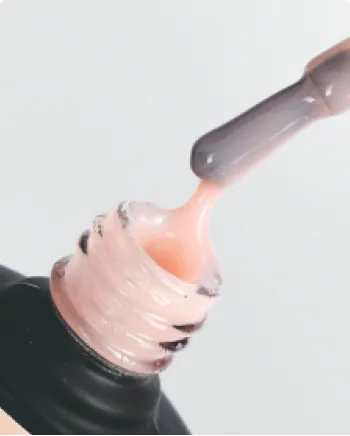
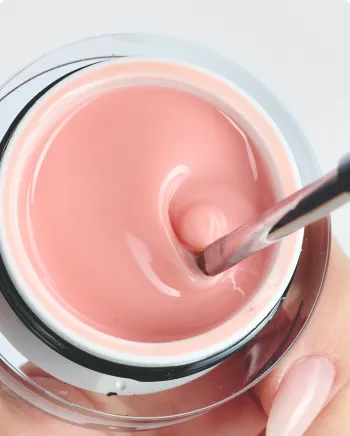
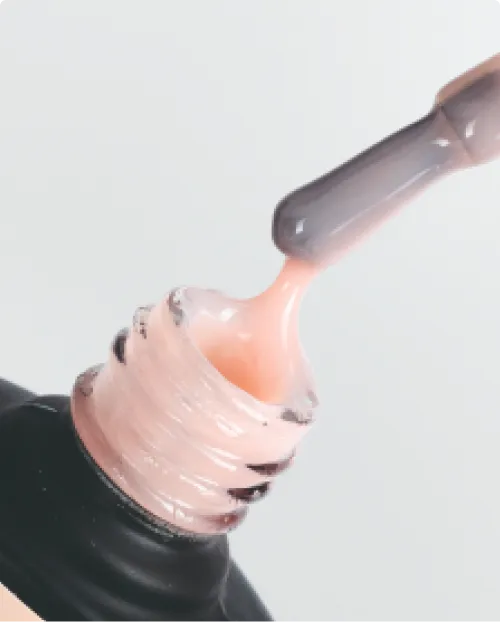
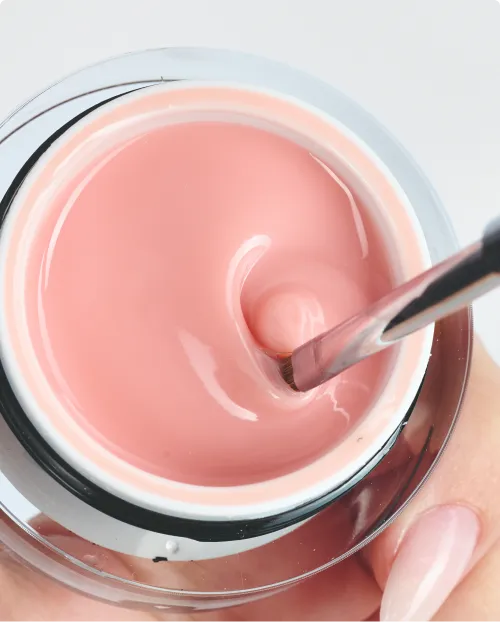
Gel Polish is a thin, liquid UV-curing gel product that provides color and high gloss for up to 3 weeks. It offers no structural reinforcement on its own and must be applied in extremely thin layers to cure properly.
Safety is the foundation of a beautiful manicure. Many professional-use products contain high levels of allergens like HEMA (hydroxyethyl methacrylate) and TPO. At The Gel Collection, we maintain an uncompromising standard: ALL of our products are 100% HEMA-free, di-HEMA-free, and TPO-free, and they always have been. You can learn more about our 21-free chemical standard to understand how we prioritize your health.
Nail Anatomy 101: Understanding Your Canvas
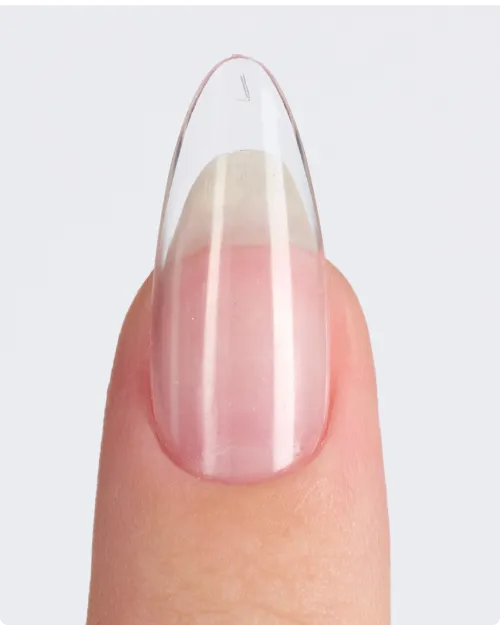
To master gel polish application, you must first understand the anatomy of the nail. The visible part of your nail is called the Nail Plate. It consists of 25-50 layers of dead keratin cells and is approximately 0.25 to 0.6 mm thick. Because these cells are dead, the nail plate cannot regenerate; any physical damage must grow out.
Beneath the nail plate lies the Nail Bed, which contains living tissue and blood vessels that supply nutrients. At the base of the nail is the Matrix, the cellular factory where new nail cells are formed. Any damage to the matrix can result in permanent ridges or discoloration.
"A common myth is that nails need to 'breathe' between manicures. The nail plate consists of dead keratin cells and does not require oxygen. It is completely safe to wear gel products continuously, provided the application and removal are done correctly."
— Signe Hartung Roslyng, Negle (Gyldendal, 2024)
Step 1: The Perfect Prep (The Secret to Preventing Lift)
Preparation (prep) is the single most important step in any gel manicure. If your gel polish lifts or peels prematurely, 90% of the time, it is due to improper prep. The goal is to create a clean, matte, and oil-free surface that the gel can grip onto.
Cuticle Removal
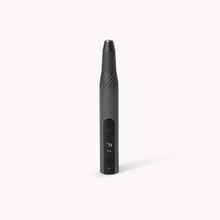
Gently push back the eponychium (cuticle) using a cuticle pusher. You must remove both the visible cuticle and the invisible cuticle (the thin membrane of dead skin clinging to the nail plate). For advanced users, an electric nail file with a specialized bit is highly effective.
Mattify the Nail Plate
Use a 100-grit buffer to gently mattify the entire surface of the nail. You are not trying to file away layers of the nail; you are simply creating a microscopic surface grid for the gel to adhere to. Ensure you reach the sidewalls and the free edge.
Cleanse and Prime
Saturate a lint-free wipe with cleaner and scrub the nail to remove all filing dust and natural oils. Once dry, apply a very thin layer of Bonder (primer) and let it air dry for 60 seconds. This temporarily dehydrates the nail for maximum adhesion.

Important: Never touch the nail plate with your fingers after the prep is complete. Even the smallest amount of natural oil transferred from your skin will cause the gel polish to lift.
Watch our video guide: Hygiene, Preparation and Storage
Step 2: Flawless Gel Polish Application
Applying gel polish requires a different technique than traditional polish. Because gel polish is a thin, fluid consistency, applying it too thickly will cause it to pool in the cuticles or wrinkle during curing. If you are new to the process, we highly recommend you get started with a complete beginner kit to ensure you have all the necessary tools.
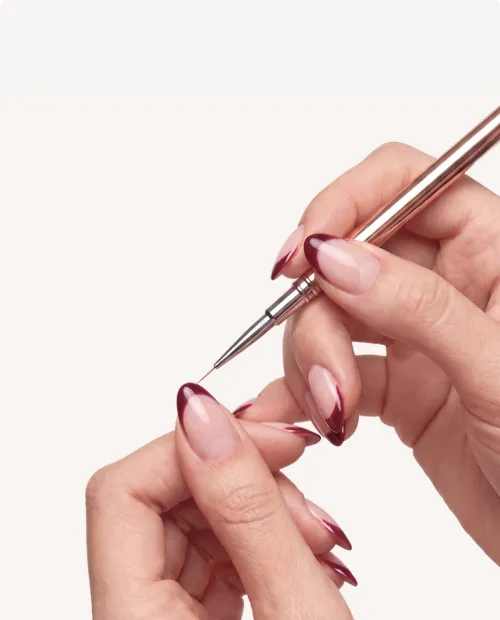
1. Base Coat: Apply a very thin layer of base coat using a scrubbing or rubbing motion. This works the product into the microscopic grid you created during prep. Seal the free edge by swiping the brush horizontally across the tip of the nail. Cure for 60 seconds.
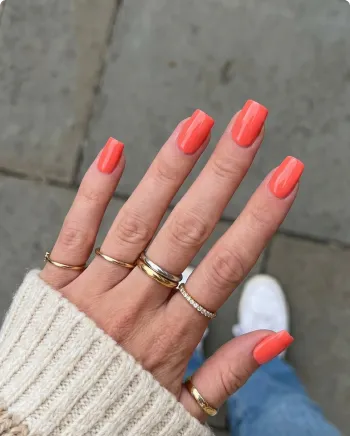
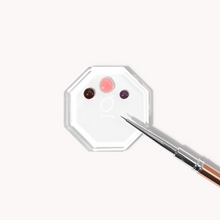
2. Color Application: Apply your chosen color in two extremely thin layers. If the color flows down into your lateral folds or cuticles, your layer is too thick. Always seal the free edge with every layer. Cure each layer for 60 seconds.


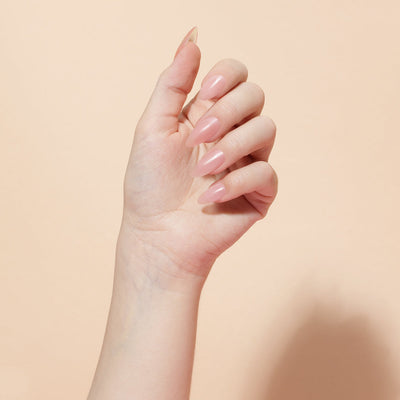
3. Top Coat: Finish with a layer of top coat to protect the color from scratches and fading. Remember to seal the free edge one final time. After curing, if you are using a standard top coat, remove the sticky layer with a wipe saturated in cleaner. If you plan to add designs, you can explore our dimensional nail art decals before applying the final top coat.
Step 3: The Chemistry of Curing
It is vital to use the correct terminology: gel does not dry; it cures. Liquid gel consists of monomers, oligomers, and photoinitiators. When exposed to specific wavelengths of UV light (typically 365 nm and 405 nm), the photoinitiators activate, causing the molecules to bind together into a solid, durable structure.
Undercuring occurs when the gel is applied too thickly, or the lamp is not powerful enough. Undercured gel remains liquid beneath the surface, which can seep onto the skin and drastically increase the risk of contact allergies. Overcuring happens when nails are left in the lamp too long or exposed to excessive sunlight, leading to brittle nails, yellowing, and faded colors.
Watch our video guide: Knowledge about the UV Curing Process
Essential Nail Care: Protecting Your Natural Nails
Once your gel polish is perfectly applied and cured, daily maintenance is required to keep both the gel and your natural nails healthy. Natural keratin contains oils and moisture that keep the nail flexible. When you apply a gel product, you block the natural oils from penetrating the top of the nail plate.
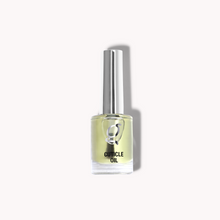
To compensate, you must apply a high-quality, fragrance-free cuticle oil at least twice daily. Massage the oil into the cuticles, along the lateral folds, and under the free edge (the hyponychium). Keeping your hands hydrated with a good hand cream also prevents the skin from becoming dry and vulnerable to micro-tears.
Avoid using your nails as tools (like opening cans or scratching off labels), and always wear gloves when cleaning or doing dishes. Prolonged exposure to water causes the natural nail to expand and contract, which can break the seal of the gel polish and cause lifting.
Troubleshooting: Why is My Gel Polish Lifting?
Lifting is the most common issue in DIY gel manicures. It occurs when the gel product detaches from the natural nail plate. There are four primary types of lift, each pointing to a specific error in application:
- Cuticle Lift: The gel lifts at the base of the nail. This is almost always caused by inadequate prep (failing to remove the invisible cuticle) or applying the gel directly onto the skin.
- Side Lift: The gel lifts along the lateral folds. This happens if the nail was not properly mattified along the edges, or if the natural nail is too thin and bends under pressure, breaking the gel's seal.
- Tip Lift: The gel chips or peels at the free edge. This occurs when you forget to seal the free edge during application, or if the nails are subjected to heavy daily wear and tear.
- Pocket Lift: A bubble or lift occurs in the middle of the nail. This is usually due to improper structural buildup or waiting too long between fills (more than 4 weeks).
If you experience lifting, do not pick or pull at the gel. This will tear away layers of your natural nail plate. Instead, you should explore our dedicated removal tools to safely file away the lifted area and perform a proper fill or removal.

For those looking to expand their color options, you can check out our translucent jelly shades or browse our earthy brown tones for your next flawless application.
Frequently Asked Questions
Expert source
Signe Hartung Roslyng
Founder of TheGelCollection.com & author
Expert guidance in this article is based on knowledge from Negle (Gyldendal, 2024) by Signe Hartung Roslyng — the first Scandinavian reference book on professional gel nails.