















FAQ: The Most Common Problems with Nail Products in 2026

In brief
Mastering DIY gel nails requires understanding the chemistry and anatomy behind the process. This comprehensive troubleshooting guide covers the most common issues—from lifting and heat spikes to undercuring—and provides expert solutions to ensure your manicures are beautiful, long-lasting, and completely safe. All solutions are based on professional nail theory and strict safety standards.
# FAQ: The Most Common Problems With UV-Curing Gel Products (Troubleshooting Guide 2026)
Creating salon-quality gel nails at home is an incredibly rewarding process, but it can sometimes come with a learning curve. If you have ever experienced your gel polish peeling off after a few days, felt an uncomfortable heat spike in your lamp, or worried about the chemistry of your products, you are not alone.
This ultimate troubleshooting guide is designed to solve the most common frustrations experienced by DIY gel nail enthusiasts. To provide you with the most accurate and authoritative information, this guide is built upon the professional theory and terminology from the comprehensive book *"Negle"* by Signe Hartung Roslyng (Gyldendal, 2024).
It is important to establish right away that we are discussing UV-curing gel products—such as gel polish, rubber base, builder gel, and polygel—and *not* classic nail polish. Gel products require specific preparation, application, and curing techniques. Let us dive into the science of why things sometimes go wrong, and exactly how you can fix them.
Why Is My Gel Polish Lifting? (Understanding "Lift")
One of the most frequent questions we receive is why gel products sometimes peel or detach from the natural nail. In professional terminology, this is known as a lift. A lift occurs when the gel product loses its adhesion to the nail plate, creating a pocket where water and bacteria can become trapped.
Lifting is almost never a fault of the product itself; rather, it is a symptom of incorrect application or inadequate preparation (prep). Here are the three primary culprits:
1. Poor Prep and the Invisible Cuticle
The most common reason for lifting is failing to properly remove the cuticle (kutikula) from the nail plate. While the visible dead skin is easy to spot, many people miss the *invisible cuticle*—a thin membrane of dead skin cells that grows closely adhered to the nail plate. If you apply gel polish over this membrane, the product will cling to the dead skin rather than the nail, leading to guaranteed lifting within days.Always use a cuticle pusher and proper tools to ensure the nail plate is completely clean. For the best results, equipping yourself with high-quality tools like the PACKAGE DEAL • Micro Mandrel Bit + Micro Sanding Bands makes safely removing dead tissue much easier.
Did you know?
The skin at the base of your nail that you must never cut or damage is called the eponychium. It is living tissue packed with nerves and blood vessels. The cuticle (kutikula), on the other hand, is strictly the dead tissue that sheds onto the nail plate, which can and should be safely removed during prep.
2. Skipping Dehydrator and Primer
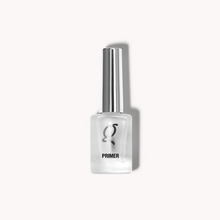
Your natural nail plate contains moisture and natural oils. If these are not removed before application, they act as a barrier, preventing the gel from adhering. * Dehydrator: Temporarily removes moisture and surface oils. * Primer: Acts as double-sided tape, creating a strong chemical bond between the natural keratin of your nail and the gel product. An acid-free primer is gentle and suitable for most, while an acid primer offers a stronger bond for problematic nails.3. Flooding the Cuticle (Product on the Skin)
If your gel polish, rubber base, or builder gel touches the eponychium or the lateral folds (the skin along the sides of the nail), it will inevitably lift. As the skin moves and produces natural oils, it will push the cured gel away from the nail plate. Always leave a tiny, microscopic gap between the gel product and your skin.Important: While matting the nail surface is a crucial prep step to create a surface grid for the gel to grip, beware of overprepping. Filing too aggressively thins the natural nail plate, causing severe damage, pain, and making the nail too flexible to hold hard gel products.
Why Do My Nails Burn Under the UV/LED Lamp?
Experiencing a sudden, sharp heat sensation when you place your hand inside the lamp is a common shock for beginners. This phenomenon is known as a "heat spike."
To understand why this happens, we must look at the chemistry. Gel products do not "dry"; they *cure*. Curing is a chemical reaction triggered by UV light. The gel contains molecules called photoinitiators. When exposed to UV/LED light, these photoinitiators activate and link the liquid molecules together to form a solid plastic structure. This rapid movement and linking process creates friction, and friction creates heat.
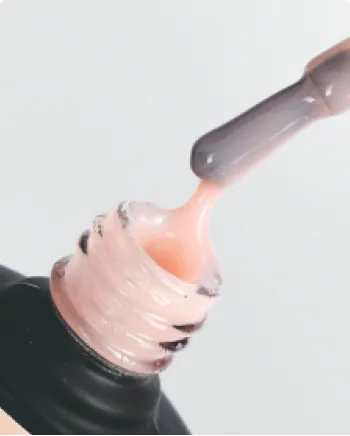
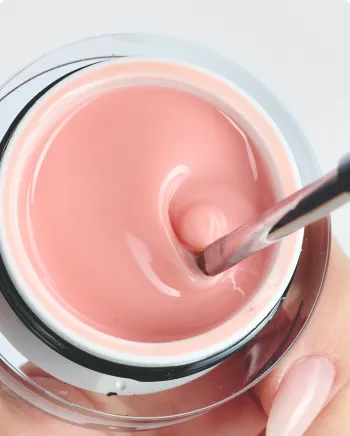
The main causes of a painful heat spike are: * Applying layers that are too thick: This is especially common with thicker products like builder gel or when sculpting with PolyGel • Nude Transparent • 21FREE or PolyGel • Milky Pink • 21FREE. The more product there is, the more friction and heat is generated at once. * Damaged nail beds: If you have over-filed your nails, the protective nail plate is thinner, meaning the heat reaction happens much closer to the sensitive nerve endings in your nail bed. The Solution: Apply your products in thinner layers. Furthermore, always utilize the "Low Heat Mode" on your lamp if you are sensitive or applying a thicker reinforcement layer. This mode gradually increases the UV light intensity, slowing down the chemical reaction and dispersing the heat gently.
Why Is My Gel Polish Soft or Wrinkled After Curing?
If you pull your hand out of the lamp and notice that your gel polish looks wrinkled, bubbled, or feels soft and mushy to the touch, you are dealing with undercuring.
Remember the golden rule of terminology: Gel products do not have a "drying time"; they have a curing time. Undercuring happens when the UV light fails to penetrate all the way through the product to the bottom layer.
This usually occurs because the layer of gel polish was applied far too thickly. Highly pigmented colors require extra care, as the heavy pigments can block the UV light from reaching the bottom of the layer. It can also happen if your hand is placed incorrectly in the lamp, causing the light to miss the sides of your nails (especially the thumbs).
The Danger of Undercuring: This is not just an aesthetic issue; it is a safety hazard. Undercured gel means that the product closest to your natural nail is still in a liquid, uncured state. Prolonged exposure of liquid acrylates to the nail plate and surrounding skin drastically increases the risk of developing contact dermatitis (allergies). Always apply thin, even layers and ensure your hand is flat and centered inside the lamp.Chemistry and Allergies: How to Avoid Reactions
The topic of allergies in the nail industry is incredibly important. To be a responsible DIY user, you must understand the basics of the chemistry you are working with.
All UV-curing gel products—whether it is gel polish, liquid builder gel, or polygel—contain ingredients called acrylates. In their raw, liquid form, acrylates are known allergens. However, when these products are exposed to the correct amount of UV/LED light for the correct duration, a chemical reaction occurs that transforms the liquid into a solid, inert plastic. Once fully and properly cured, the product is completely safe to wear.
Because we prioritize your health and safety above all else, we adhere to the strictest chemical standards in the industry. We are proud to state that ALLE products from The Gel Collection are 100% HEMA-free, di-HEMA-free (di-HEMA-TMHDC), TPO-free, and 21-free—and they ALWAYS have been, without exception.
HEMA and di-HEMA are small molecular monomers that are highly effective at creating adhesion, but their small size makes it easy for them to penetrate the skin and cause allergic reactions. TPO is a specific photoinitiator that has raised safety concerns. By eliminating these specific chemicals and 21 other potentially harmful substances, we drastically reduce the risk of irritation and allergies, allowing you to create beautiful nails with peace of mind.
"All UV-curing gel products contain acrylates, which are allergenic in their liquid state. However, correct curing transforms the product into a solid form, making it entirely safe. Understanding this chemical process is the key to preventing allergies."
— Signe Hartung Roslyng, Negle (Gyldendal, 2024)
For those looking to expand their collection safely, exploring kits like the Blooming Gel Kit or Great add-ons to the starter kit • The Gel Collection ensures you are using products that meet these uncompromising safety standards.
Problems With Gel Tips (Soft Gel Press-On)
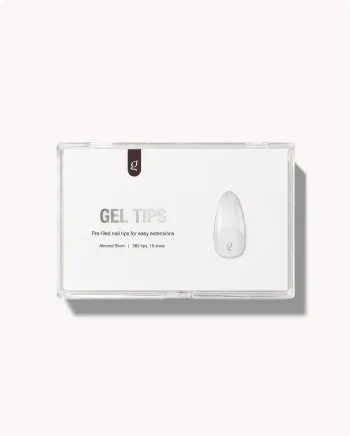
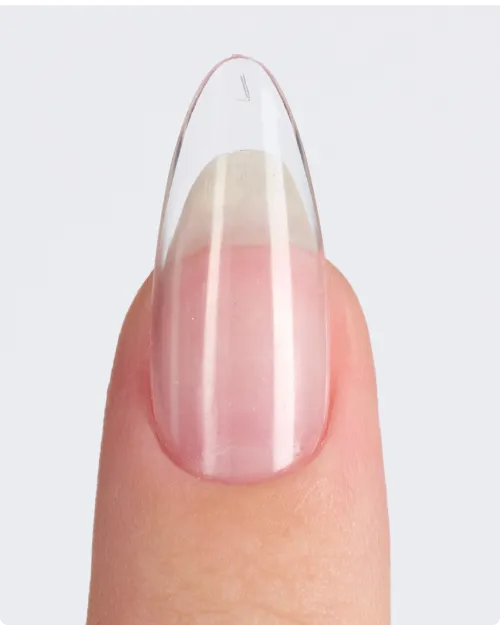
Gel tips (also known as gel press-on tips or soft gel extensions) have revolutionized home nail extensions. These are full-cover tips that are pre-molded from gel. They are incredibly durable and much gentler on the natural nail than traditional plastic press-ons.
However, a common troubleshooting issue is that the tips pop off prematurely. If this happens, it is almost always due to one of two errors:
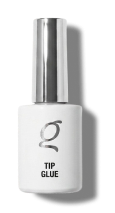
1. Using the wrong adhesive: Gel tips must *never* be applied with traditional nail glue (superglue). Because the tips are made of gel, they require a UV-curing gel glue to create a proper, lasting bond with the natural nail. 2. Air bubbles during application: If you press the tip down unevenly, air bubbles will form between the natural nail and the tip. These bubbles compromise the structural integrity and will cause the tip to lift. To prevent this, apply the tip at a 45-degree angle, slowly pressing down to push the air out, and use a mini UV lamp to "flash cure" (partially cure) the tip in place before moving to the main lamp for a full cure.
How to Remove Gel Products Without Damaging the Nail
One of the saddest sights in nail care is a natural nail plate covered in white spots, thinning, and flaking. This damage is almost exclusively caused by improper removal—specifically, picking, biting, or aggressively peeling the gel polish off the nail. When you rip off a gel product, you take the top layers of your natural keratin nail plate with it.
The Expert Solution: Infills over Removal The absolute best way to maintain healthy nails is to avoid full removals whenever possible. Instead, we highly recommend doing an infill (opfyldning). This involves filing away the top coat and the color, leaving the strong base layer (like a rubber base or builder gel) intact on the nail. You then prep the new growth at the cuticle and fill it in with fresh product. This saves an immense amount of time and protects the natural nail from constant filing and acetone exposure.Products like Liquid Builder Gel • Champagne Shimmer • 21FREE are perfect for creating strong overlays that can easily be maintained with infills for 4-8 weeks.

If you *must* do a full removal, patience is key. You must file away the shiny top coat completely to break the seal. Then, soak a cotton pad in pure acetone, place it on the nail, and wrap it tightly in foil. Let the chemistry do the work. After 10-15 minutes, the gel will have softened and can be gently pushed off with a wooden stick. Never force it. If you are doing heavy filing during removal, investing in a Filter til Dust Collector • The Gel Collection ensures you aren't inhaling harmful dust particles.
By understanding the anatomy of your nails, respecting the chemistry of the products, and using 100% HEMA-free formulations from The Gel Collection, you can troubleshoot any issue and enjoy flawless, safe DIY manicures every single time. If you are ready to upgrade your entire setup, The kit for the person who has everything is the ultimate way to ensure you have all the correct, safe tools at your disposal.
---
Frequently Asked Questions
Expert source
Signe Hartung Roslyng
Founder of TheGelCollection.com & author
Expert guidance in this article is based on knowledge from Negle (Gyldendal, 2024) by Signe Hartung Roslyng — the first Scandinavian reference book on professional gel nails.