















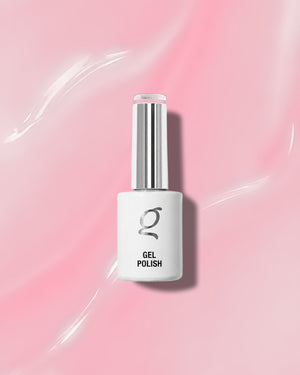
The Ultimate Guide to Buying Gel Nail Polish in 2026

In brief
Stepping into the world of DIY gel nails requires the right knowledge and the right products. This comprehensive guide helps you navigate the essentials of gel polish, emphasizing safe chemistry, proper nail preparation, and choosing the perfect products for your specific nail type. Build your kit with confidence and achieve salon-quality, long-lasting results at home.
Creating flawless, long-lasting manicures at home has never been more accessible, but the sheer volume of products on the market can be overwhelming. If you are looking to build your first starter kit or upgrade your current collection, you need more than just pretty colors—you need products that prioritize your health and deliver professional results.
This buying guide is built upon the authoritative theory and terminology from the comprehensive book Negle by Signe Hartung Roslyng (Gyldendal, 2024). We will walk you through exactly what you need to know before you add anything to your cart, ensuring your DIY gel nail journey is both beautiful and safe.
What is Gel Polish? (And Why You Should Ditch Traditional Polish)
Before diving into what to buy, it is crucial to understand what you are actually buying. While many people search for terms like "gel neglelakk" or simply gellak, the correct professional terminology is gel polish.
Gel polish is a sophisticated hybrid between classic nail polish and hard gel. Unlike traditional polish, which relies on solvents evaporating in the air to dry (a process that can take hours and chips within days), gel polish has a thin, fluid consistency that remains liquid until it is exposed to specific UV or LED light. Once cured under the lamp, it transforms into a durable, high-shine coating that can last up to three weeks without chipping.
It is important to note that standard gel polish provides stunning color and shine, but it does not provide structural reinforcement. If you have naturally strong nails, a standard base coat and gel polish are perfect. If your nails need extra support, you will need to look into reinforcing products like rubber base or builder gel, which we will cover later in this guide.
Did you know?
Gel products do not "dry"—they cure. Curing is a chemical reaction triggered by UV/LED light that hardens the liquid gel into a solid state. Using the term "drying time" is technically incorrect; the proper term is "curing time."
Chemistry and Safety: The Most Important Factor When Buying Gel Products
When shopping for DIY gel nail products, your primary focus should always be on chemistry and safety. The European cosmetics legislation is strict, but as a consumer, you must still make informed choices.
All UV-curing gel products contain acrylates. In their liquid form, acrylates have the potential to be allergenic if they repeatedly come into contact with your skin. This is why precise application and correct curing are non-negotiable. When the gel is properly cured under a high-quality UV/LED lamp, the acrylates bind together into a solid network, rendering the product completely safe to wear.
Important: ALLE products from The Gel Collection are 100% HEMA-free, di-HEMA-free, and TPO-free—and have ALWAYS been, without exception. Furthermore, all our products adhere to the strict 21-free standard, meaning they are formulated without 21 specific, potentially harmful chemicals.
HEMA (hydroxyethyl methacrylate) and di-HEMA (di-HEMA-TMHDC) are common allergens found in many cheaper gel products on the market. TPO (trimethylbenzoyl diphenylphosphine oxide) is a photoinitiator that is also being phased out due to safety concerns. By choosing 100% HEMA-free, di-HEMA-free, and TPO-free products, you significantly minimize the risk of developing contact allergies, ensuring a safe DIY experience.
"All UV-curing gel products contain acrylates, which can be allergenic in their liquid form. Proper curing transforms the product into a solid state, making it safe. However, minimizing exposure to known allergens like HEMA is a crucial step in responsible DIY nail care."
— Signe Hartung Roslyng, Negle (Gyldendal, 2024)
The Essentials: 5 Must-Have Products for Your DIY Kit
If you are building your kit from scratch, you need more than just a beautiful color. A long-lasting manicure is a multi-step process. Here are the five indispensable categories of products you must include in your shopping cart.
1. Prep Products (Preparation is Key)
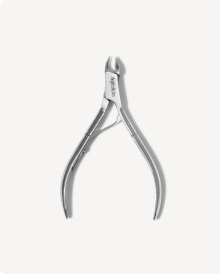
Prep is the foundation of any successful gel manicure. If your gel polish lifts (separates from the nail), it is almost always due to improper prep. You need tools to gently push back the visible cuticle and remove the invisible cuticle (a thin layer of dead skin cells on the nail plate). Never cut or damage the living cuticle (eponychium), as it protects the nail matrix.
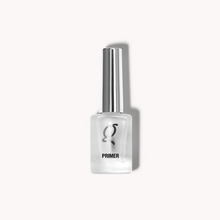
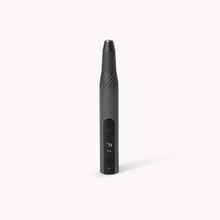
You will also need a file to gently mattify the nail plate. Matting creates a microscopic surface grid that allows the gel to adhere. Be extremely careful to avoid overprepping—filing too much will thin and damage the natural nail. Finally, a dehydrator removes moisture and natural oils, while a primer (preferably acid-free for most users) creates a chemical bond between the nail and the gel.
2. Base Coat or Rubber Base
The base layer is what anchors your color to the natural nail. A standard base coat is thin and perfect for naturally hard nails. However, if you need extra strength, a Rubber Base is the ideal choice. Rubber base is a flexible gel that reinforces the natural nail while adapting to its movements, making it perfect for thin or brittle nails.
3. Gel Polish (The Color)
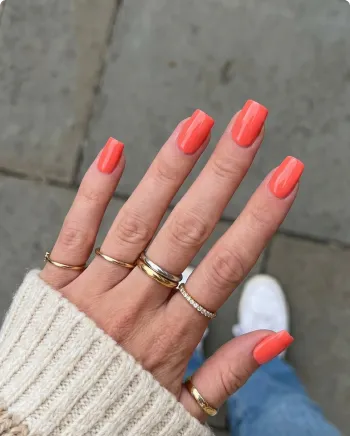
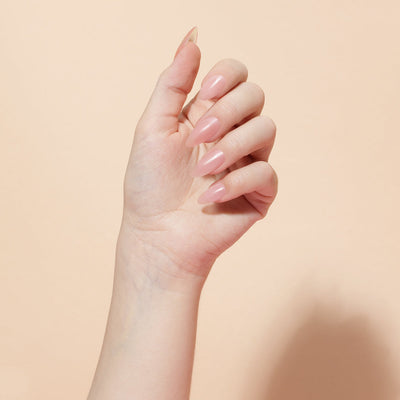
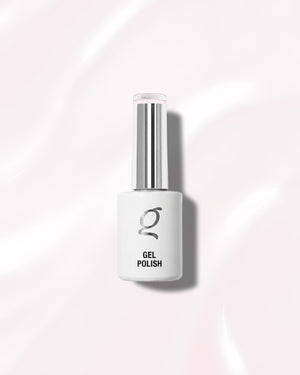
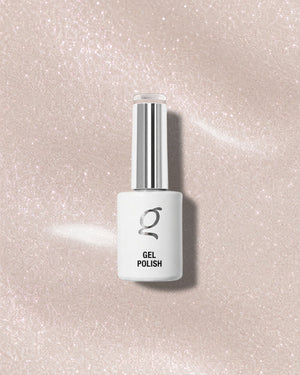
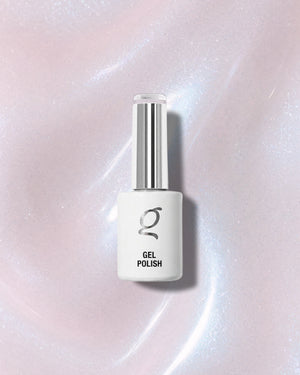
This is the fun part! Gel polish provides the vibrant color and should be applied in thin, even layers. Because it does not air dry, you have plenty of time to perfect your application before curing it under the lamp. For a stunning, vibrant look, consider shades like Gel Polish • 800 Peony Pop • 21FREE or the elegant Gel Polish • 852 Deep Dive (transparent) • 21FREE.
4. Top Coat
The top coat seals the color, protects it from scratches, and provides that coveted, long-lasting high gloss (or a chic matte finish, depending on your preference).
5. UV/LED Lamp
You cannot use gel products without a proper lamp. Undercuring leads to soft products, poor durability, and a high risk of allergies, while overcuring can cause faded colors and brittle nails. Look for a lamp with a "Low heat mode," which gradually increases the UV light for a gentle curing process, minimizing the normal heat sensation caused by photoinitiators.


Choose the Right Product for Your Nail Type
One of the biggest mistakes beginners make is buying products that do not suit their natural nail anatomy. Understanding your nail type is the key to a manicure that lasts up to 3-4 weeks without lifting.
For Normal Nails
If your natural nails are relatively strong, do not bend easily, and rarely break, you require minimal reinforcement. A thorough prep routine followed by a standard base coat, your favorite gel polish color, and a top coat is all you need.
For Thin, Fragile, or Damaged Nails
If your nails are paper-thin, peel easily, or have been damaged by overprepping in the past, standard gel polish will likely chip because the natural nail bends underneath the cured gel. You need structure and strength.
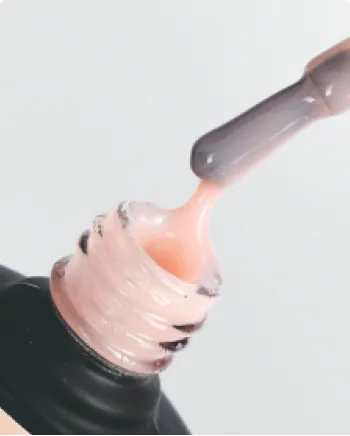
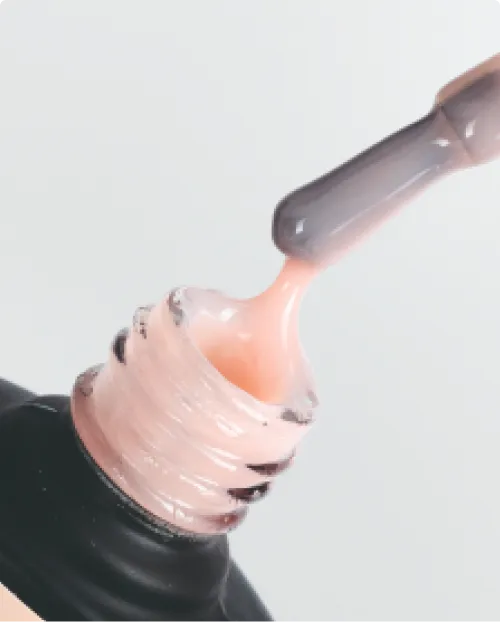
For this nail type, Liquid Builder Gel (also known as BIAB or builder in a bottle) is a game-changer. It is a hard gel applied with an integrated brush, perfect for reinforcing weak nails and repairing small cracks. Alternatively, a Rubber Base can provide excellent flexible strength.

For Short Nails That Need Length (Extensions)
If you are a nail biter or simply desire long, elegant nails instantly, you will need to look into extensions. You have a few safe, modern options:
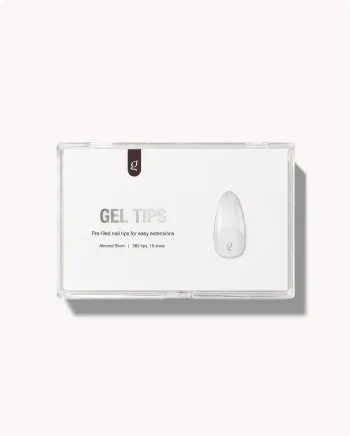
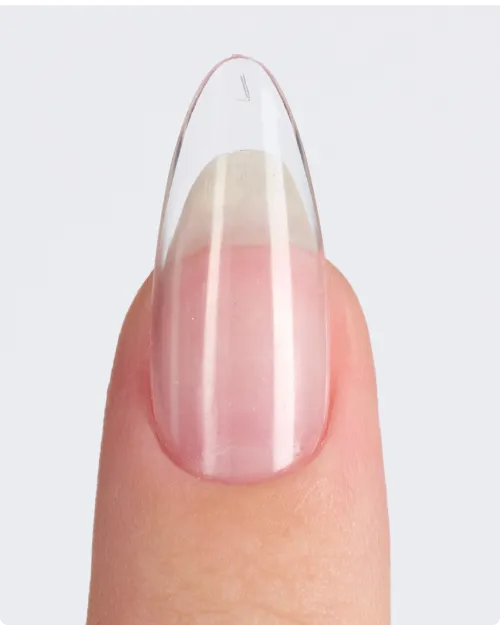
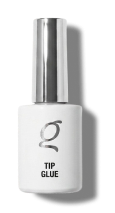
- Gel Tips: Also known as soft gel press-on tips, these are pre-molded, full-cover tips. Unlike traditional press-ons that use harsh cyanoacrylate glue (superglue), gel tips are attached using a UV-curing gel glue, making them much gentler on the natural nail plate.
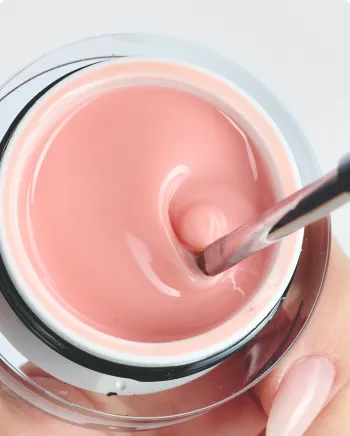
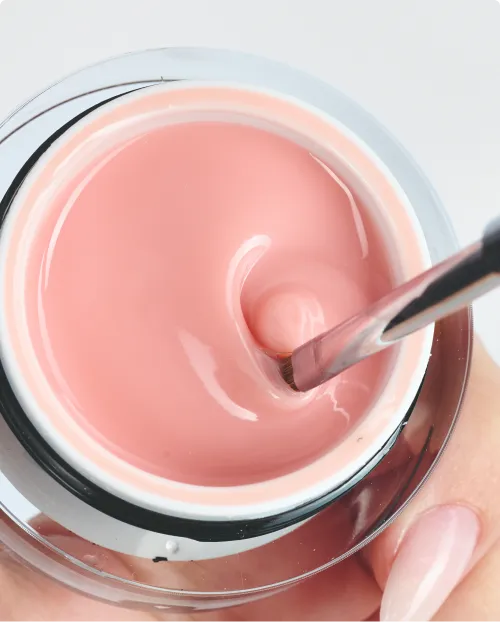
- Polygel: Also called hybrid gel or acrylic gel, this is a hard gel used for extensions from scratch. It has a thick consistency like soft modeling clay. It does not flow or self-level, giving you full control to distribute it with dabbing motions using a brush dampened with a slip solution. It is ideal for use with dual forms or paper templates.
- Builder Gel: A traditional hard gel found in an open pot, applied with a separate brush. It is perfect for long extensions and offers incredible durability (4-8 weeks with proper infills).

Maintenance and Safe Removal
Buying the right products also means knowing how to maintain them. When your nails grow out, you don't necessarily need to remove everything. Performing an infill (refreshing the old product near the cuticle area) saves time and is much gentler on the natural nail than complete removal.
When it is time for a complete removal, never peel or pick the gel off. This will rip layers of your natural nail plate with it. The correct method is to file away the majority of the top coat and color, and then soak the remaining base layers in acetone using foil wraps until it softens enough to be gently pushed off.
Frequently Asked Questions
Expert source
Signe Hartung Roslyng
Founder of TheGelCollection.com & author
Expert guidance in this article is based on knowledge from Negle (Gyldendal, 2024) by Signe Hartung Roslyng — the first Scandinavian reference book on professional gel nails.