















Common Gel Nail Polish Problems and How to Solve Them 2026

In brief
Experiencing lifting, wrinkling, or breaking with your DIY gel manicure? Most issues stem from incorrect prep, applying layers that are too thick, or using the wrong product for your nail type. This comprehensive guide walks you through the exact troubleshooting steps to achieve a flawless, long-lasting result using safe, 100% HEMA-free products from The Gel Collection.
Creating beautiful salon-quality nails at home is an incredibly rewarding hobby, but it can also be frustrating when things do not go as planned. If you have ever spent hours perfecting your manicure only to have it peel off the next day, you are not alone.
Many beginners search for solutions to problems with their "gel nail polish." However, to truly master the art of DIY manicures, we first need to get the terminology right. The correct professional term is gel polish. Unlike classic nail polish that air-dries, gel polish is a hybrid formula that requires curing under a UV/LED lamp. Because the chemistry and application process are entirely different from traditional polish, the troubleshooting steps are different, too.
In this authoritative guide, based on the theoretical foundation from the book Negle by Signe Hartung Roslyng (Gyldendal, 2024), we will dive into the most common gel polish problems and provide you with concrete, no-nonsense solutions.
Problem 1: My Gel Polish is Lifting (Peeling at the Edges)
One of the most frequent complaints in the DIY nail community is "lifting." Lifting occurs when the gel product separates from the natural nail plate, usually starting at the cuticle area or the free edge. Not only is this annoying, but it also creates a pocket where moisture and bacteria can get trapped.
The Cause: In 99% of cases, lifting is caused by inadequate or incorrect prep (preparation of the nail). If there are dead skin cells, natural oils, or moisture left on the nail plate, the gel polish cannot form a proper chemical bond.
The Solution: Master the Prep Routine
Proper prep is the foundation of any lasting gel manicure. Follow these steps meticulously:
- Cuticle Care: Gently push back the visible cuticle using a cuticle pusher. Carefully trim away the dead tissue (the visible cuticle). Never cut the living cuticle (eponychium), as this tissue contains nerves and blood vessels and protects the nail matrix from infection.
- Matting the Nail Plate: Use a buffer or a fine sanding band to lightly matte the surface of the nail plate. You are not trying to thin the nail; you are simply removing the natural shine to create a microscopic surface grid that allows the gel to adhere.
- Dehydrate: Wipe the nail thoroughly with a dehydrator to remove all moisture and natural oils.
- Prime: Apply a primer to create a chemical bond between the natural nail and the gel product. An acid-free primer is gentle and suitable for most normal nails, while an acid primer offers a stronger bond for problematic nails.
Did you know?
Over-prepping is a common mistake. Filing the nail plate too aggressively thins the natural nail and can cause severe damage. You only need to lightly matte the surface. A damaged, overly thin nail plate will actually cause products to lift faster because it becomes too flexible.

Problem 2: The Product Wrinkles or Bubbles Under the Lamp
You have applied a beautiful, even coat of color, but when you take your hand out of the UV/LED lamp, the surface looks wrinkled, bubbled, or shriveled like a prune.
The Cause: This is a classic sign of under-curing. Gel polish must be applied in very thin layers. If the layer is too thick, the UV light will only cure the top surface of the gel. The surface hardens and shrinks slightly, but the gel underneath remains wet and liquid, causing the top layer to wrinkle and collapse.
"Under-curing is not just an aesthetic issue; it is a safety hazard. When gel is under-cured, the product remains soft, durability plummets, and the risk of developing allergies increases significantly because unreacted acrylates remain in contact with the nail plate."
— Signe Hartung Roslyng, Negle (Gyldendal, 2024)
The Solution: Always apply your gel polish in paper-thin layers. It is much better to apply three thin layers to achieve full opacity than one thick layer. Furthermore, ensure you are strictly following the recommended curing time for your specific product and lamp. Never cut the curing time short.

Problem 3: My Nails Break Even Though I Use Gel Polish
A common misconception is that gel polish acts as a suit of armor for your nails. While it does provide a durable, glossy finish that lasts up to 3 weeks, standard gel polish is thin and fluid. It provides color, but it does not provide structural reinforcement.
The Cause: If you have naturally thin, fragile, or soft nails, standard gel polish will simply bend with your natural nail. When the nail bends too far, the gel polish can crack, or the nail itself can break.
The Solution: Add a Reinforcing Layer
To prevent breakage, you need to build structure and strength beneath your color layer. Depending on your nail type, you should use one of the following products before applying your gel polish:
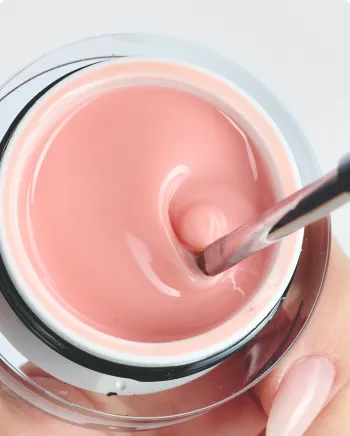
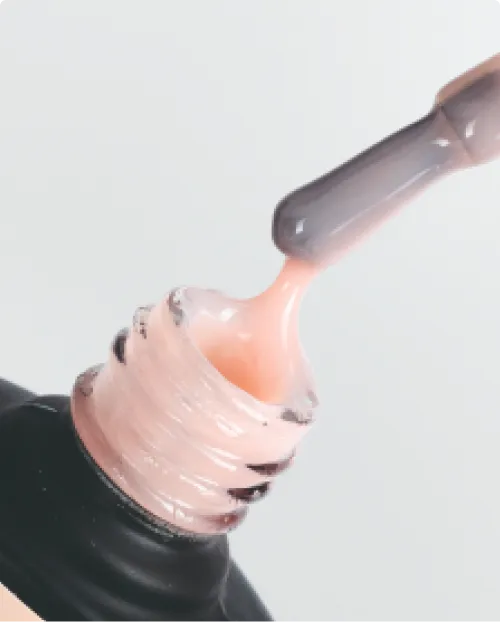
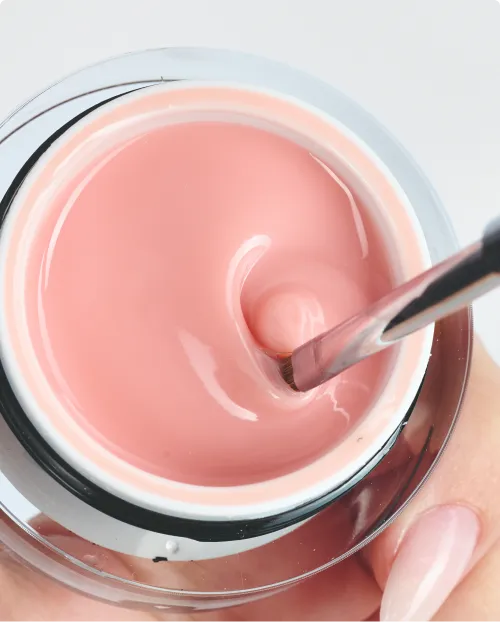
- Rubber Base: A highly flexible gel designed to reinforce natural nails. It combines strength with flexibility, allowing it to adapt to the natural movements of the nail. It is ideal for thin or damaged nails and lasts 4-6 weeks.
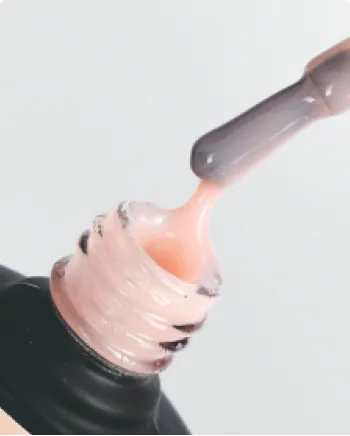
- Liquid Builder Gel (BIAB): A hard gel in a bottle with an integrated brush. It provides superior strength and is perfect for reinforcing soft, flexible nails, repairing broken corners, or creating short extensions.

Problem 4: It Burns Under the UV/LED Lamp (Heat Spikes)
Experiencing a sudden, sharp burning sensation when you place your hand in the UV/LED lamp can be alarming. This phenomenon is commonly known as a "heat spike."
The Cause: This is pure chemistry at work. All UV-curing gel products contain molecules called photoinitiators. When exposed to UV light, these photoinitiators react and link together, transforming the gel from a liquid state into a solid state. This rapid chemical reaction creates friction, which generates heat. The thicker the layer of gel (especially with Builder Gel or Polygel), the more heat is generated.
Important: A slight warming sensation during curing is completely normal. However, if it becomes painful, remove your hand from the lamp immediately. You can re-insert it once the heat subsides.
The Solution: To avoid painful heat spikes, always utilize the "Low Heat Mode" on your UV/LED lamp if it has one. This feature gradually increases the intensity of the UV light, allowing the chemical reaction to happen slower and more gently. Additionally, ensure you are not applying your reinforcing gels in excessively thick layers.
Problem 5: Redness, Itching, or Allergic Reactions
Developing an allergy is the biggest fear for many DIY nail enthusiasts. Symptoms include redness, itching, swelling, or small blisters around the cuticles and lateral folds (the skin along the sides of the nail).
The Cause: All UV-curing gel products contain acrylates. In their liquid, uncured state, acrylates are known allergens. Allergies typically develop due to prolonged skin contact with uncured gel or from chronic under-curing (which leaves liquid acrylates trapped on the nail). Certain specific chemicals, such as HEMA (hydroxyethyl methacrylate), di-HEMA, and TPO, are notorious for having smaller molecular structures that easily penetrate the skin and trigger allergic responses.
The Solution: Uncompromising Chemical Safety
First and foremost, never let uncured gel touch your skin. If it does, wipe it off immediately before curing. Secondly, the products you choose matter immensely.
At The Gel Collection, we never compromise on safety. ALL products from The Gel Collection are 100% HEMA-free, di-HEMA-free (di-HEMA-TMHDC), and TPO-free. Furthermore, our entire range is 21-free, meaning they are formulated without 21 specific, potentially harmful chemicals commonly found in lower-quality cosmetics. We do not say "most of our products" — it is an absolute guarantee across our entire catalog, and it always has been. By choosing high-quality, carefully formulated chemistry, you drastically minimize the risk of developing allergies.
Frequently Asked Questions
Expert source
Signe Hartung Roslyng
Founder of TheGelCollection.com & author
Expert guidance in this article is based on knowledge from Negle (Gyldendal, 2024) by Signe Hartung Roslyng — the first Scandinavian reference book on professional gel nails.