















Gel Nail Polish FAQ: Your Questions Answered 2026

In brief
Experiencing lifting, heat spikes, or wrinkling with your gel manicure? This comprehensive troubleshooting guide solves the most common DIY gel nail issues. Learn the crucial importance of proper nail prep, correct curing techniques, and why using 100% HEMA-free, di-HEMA-free, TPO-free, and 21-free products from The Gel Collection is essential for a safe, long-lasting manicure.
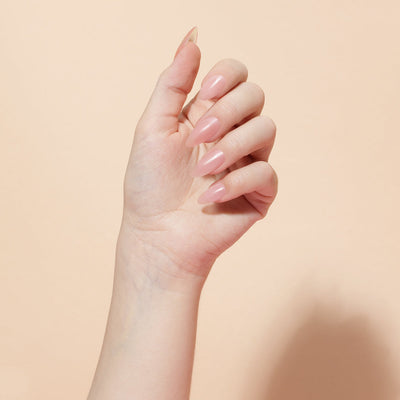
If you are exploring the world of DIY gel nails, you have likely encountered a few bumps along the road. Many customers reach out to us with questions for our "gel neglelakk FAQ" (a common Scandinavian search term), but did you know that the correct professional term is actually Gel Polish? Gel Polish is a hybrid between classic nail polish and gel, designed to be cured under a UV/LED lamp to provide durable color and shine for up to three weeks.
Creating beautiful, long-lasting gel nails at home is entirely possible, but it requires an understanding of correct techniques, nail anatomy, and product chemistry. This authoritative troubleshooting guide is based on the expert theory and terminology from the book Negle by Signe Hartung Roslyng (Gyldendal, 2024). Whether you are struggling with lifting, heat spikes, or curing issues, we have the solutions to perfect your manicure.
Why is My Gel Polish Peeling Off? (Troubleshooting Lifting)
One of the most common issues DIY users face is lifting. Lifting occurs when the gel product detaches from the natural nail plate, either at the cuticle area, the lateral folds (the sides of the nail), or the free edge. Not only is lifting frustrating, but it can also trap moisture, leading to bacterial growth.
In 99% of cases, lifting is caused by inadequate prep (preparation of the nail). Proper prep is the absolute foundation of a lasting manicure. Here are the most frequent mistakes:
- Failing to remove the invisible cuticle: The cuticle (cuticula) consists of dead skin. While the visible part is easy to push back and trim, there is often a thin membrane of dead skin cells stuck directly to the nail plate, known as the invisible cuticle. If you apply Gel Polish over this dead skin, the product will lift within days.
- Skipping the dehydrator and primer: The nail plate naturally contains moisture and oils. A dehydrator removes these, while a primer creates a chemical bond between the natural nail and the gel product.
- Touching the skin: If your Gel Polish or base coat touches the eponychium (the living tissue at the base of the nail) or the lateral folds, the product will lift as the nail grows out. Always leave a tiny, microscopic gap between the gel and the skin.
Important: Beware of overprepping! While mattifying the nail plate is necessary to create a surface grid for the gel to adhere to, excessive filing will thin out and damage the natural nail. Only use a gentle buffer or a fine-grit sanding band, and never file heavily on the natural nail plate.
Why Does it Burn Under the UV/LED Lamp? (Heat Spikes Explained)
Experiencing a sudden, sharp burning sensation when you place your hand inside the UV/LED lamp can be alarming, but it is a completely normal chemical reaction. All UV-curing gel products contain molecules called photoinitiators. When these photoinitiators are exposed to UV light, they react and begin linking together to turn the liquid gel into a solid polymer.
This rapid chemical reaction creates friction, and friction creates heat. This is known as a heat spike. Heat spikes are more common when applying thicker layers of structural products, such as Rubber Base or Builder Gel, or if your natural nails are very thin and damaged, meaning the nail bed (the sensitive skin under the nail plate) is closer to the chemical reaction.
The Solution: Never force yourself to endure the pain. If it burns, pull your hand out of the lamp immediately, wait a few seconds for the heat to dissipate, and put it back in. To prevent heat spikes altogether, use a lamp with a Low heat mode. This setting gradually increases the UV light intensity, allowing the photoinitiators to react slower and more gently.

Why is My Gel Polish Wrinkling or Staying Soft? (Curing Issues)
If your Gel Polish looks wrinkled, shrinks at the edges, or feels soft and rubbery after curing, you are experiencing undercuring. Undercuring means the UV light did not penetrate all the way through the product to the nail plate.
This usually happens for two reasons:
- Applying the layers too thickly: Gel Polish is highly pigmented. If the layer is too thick, the UV light will cure the top surface, creating a hard "crust," but the light cannot penetrate the dense pigments to cure the bottom. The wet gel underneath causes the top layer to slide and wrinkle. Always apply Gel Polish in very thin, even layers.
- Incorrect hand placement: If your hand is tilted inside the lamp, or if your thumb is resting at an awkward angle, the UV light cannot hit the nail directly. Always ensure your nails are flat and facing the diodes.
Did you know?
Both undercuring and overcuring cause problems. Undercuring leaves the product soft and increases the risk of allergies due to unreacted acrylates. Overcuring, on the other hand, can cause the color to fade, develop yellowish tones, and make the gel brittle and prone to cracking.
Is Gel Polish Safe? Chemistry and Safety Explained
When discussing nail care questions and customer inquiries about gel nails, safety is always a top priority. It is essential to understand the chemistry behind the products you are using.
All UV-curing gel products—whether it is Gel Polish, Builder Gel, or Polygel—contain acrylates. In their liquid, uncured state, acrylates are known allergens. However, once they are correctly cured under a UV/LED lamp, a chemical reaction transforms them into a solid, inert plastic (a polymer), which is completely safe.
At The Gel Collection, we refuse to compromise on health and safety. ALL products from The Gel Collection are 100% HEMA-free, di-HEMA-free, and TPO-free—and they always have been, without exception. HEMA (hydroxyethyl methacrylate), di-HEMA-TMHDC, and TPO (trimethylbenzoyl diphenylphosphine oxide) are among the most common allergens found in cheaper nail products. By eliminating these completely, we drastically reduce the risk of allergic reactions.
Furthermore, all our products adhere to a strict 21-free standard, meaning they are formulated without 21 specific, potentially harmful chemicals often found in traditional cosmetics.
"Understanding the chemistry of your products is the key to safe DIY nails. Acrylates are only allergenic in their liquid form. By ensuring correct prep, avoiding skin contact, and achieving a full, correct curing process, you transform the liquid chemistry into a completely safe, solid form."
— Signe Hartung Roslyng, Negle (Gyldendal, 2024)
My Nails are Thin and Breaking – Is Gel Polish Enough?
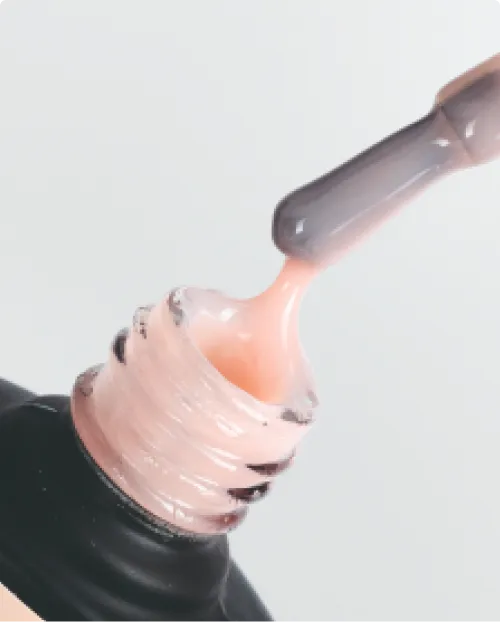
A common misconception is that Gel Polish alone will make your nails strong. Gel Polish is a thin, fluid consistency designed to provide long-lasting color and shine. It is highly flexible and moves with the natural nail. Therefore, it does not provide structural reinforcement.
If you have normal, naturally strong nails, a standard base coat and Gel Polish are sufficient. However, if your nails are thin, brittle, damaged, or highly flexible, applying Gel Polish directly will likely result in chipping, as the soft nail bends underneath the gel.
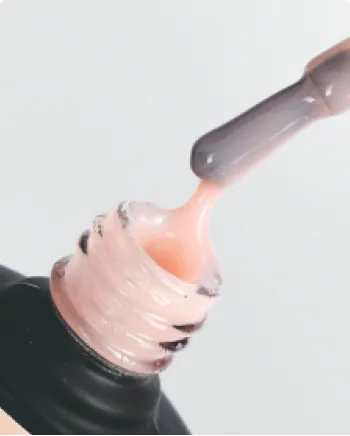
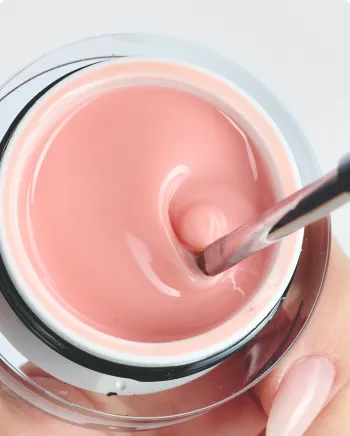
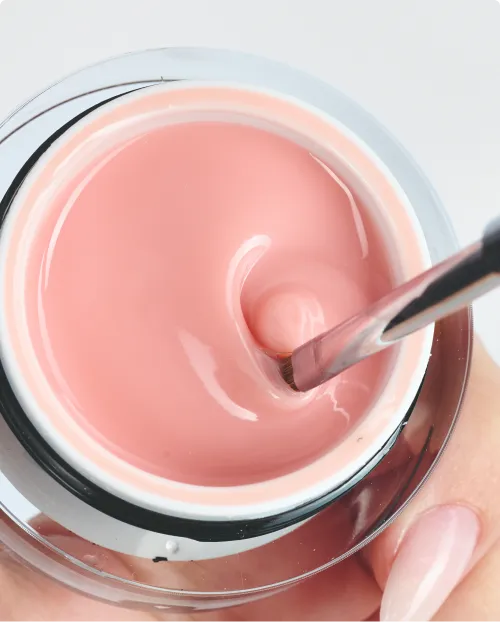
To solve this, you need to build a strengthening layer underneath your Gel Polish. You can use a Rubber Base (a flexible gel that adapts to the nail's movements, ideal for thin nails) or a Liquid Builder Gel (also known as BIAB, a hard gel applied with a brush that provides maximum strength and allows for short extensions).

Step-by-Step: The Perfect Prep for Long-Lasting Gel Nails
To avoid lifting and ensure your Gel Polish lasts up to three weeks, follow this meticulous prep routine before applying any base coat or color.
Cuticle Work and Exfoliation
Gently push back the visible cuticle using a cuticle pusher. It is vital to remove the invisible cuticle (dead skin cells) from the nail plate. Using an e-file with proper bits makes this process safe and highly effective. We recommend the PACKAGE DEAL • Micro Mandrel Bit + Micro Sanding Bands for precise cuticle work.

Mattify the Nail Plate
Remove the natural shine from the nail plate to create a microscopic grid for the gel to grip. Use a fine grit buffer or a sanding disc. Be gentle—you are only removing shine, not thinning the nail. The PACKAGE DEAL • Sanding Disc Mandrel Bi + Premium Sanding Discs is perfect for a gentle, even mattification.

Cleanse, Dehydrate, and Prime
Wipe the nail thoroughly with a lint-free wipe soaked in cleanser to remove all dust. Apply a dehydrator to strip away surface moisture and natural oils. Finally, apply an acid-free primer to act as double-sided tape between your natural nail and the base coat. Allow it to air dry.
Apply Color and Top Coat
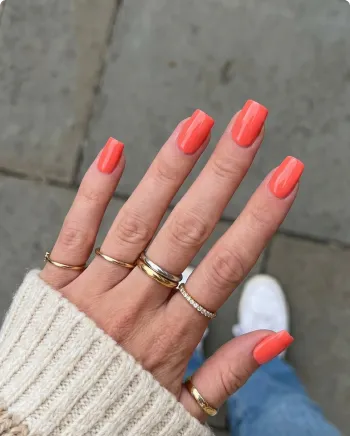
After applying and curing your base coat (or structural gel), apply your chosen Gel Polish in thin, even layers, curing between each. Finish with a high-quality Top Coat to seal the manicure and provide a scratch-resistant, glossy finish. Try the vibrant Gel Polish • 800 Peony Pop • 21FREE for a stunning look.

Frequently Asked Questions
Expert source
Signe Hartung Roslyng
Founder of TheGelCollection.com & author
Expert guidance in this article is based on knowledge from Negle (Gyldendal, 2024) by Signe Hartung Roslyng — the first Scandinavian reference book on professional gel nails.