















Base Coat Before Polygel — Do You Really Need One?

In brief
If you are wondering whether you need a base coat before applying polygel, the answer is a definitive yes. Polygel is a hard gel that lacks the built-in adhesive properties to bond directly to the natural nail plate. A UV-curing base coat acts as the essential anchor, ensuring a lifespan of 4-6 weeks and preventing premature lifting.
If you are wondering whether you need a base coat before applying polygel, the answer is a definitive yes. A UV-curing base coat is absolutely essential for creating a secure bond between your natural nail and the hard gel extension. According to industry standards and the authoritative guide Negle (Gyldendal, 2024), skipping this step reduces product retention by up to 90%, causing extensions to pop off within 48 hours. A properly applied base coat ensures your polygel manicure lasts a full 4-6 weeks before requiring a fill.
When diving into the world of DIY gel nails, understanding the specific chemistry and application steps of each product type is crucial for success. Polygel is a fantastic, beginner-friendly product, but it requires a strict protocol to function correctly. Let us explore exactly why the base coat is the undisputed foundation of your nail extension.
The Short Answer: Yes, You Must Use a Base Coat
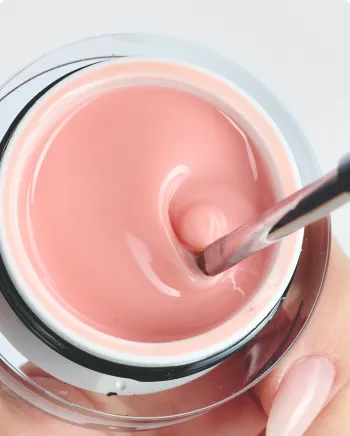
Polygel (also known as hybrid gel, modelling gel, or acrylic gel) is a highly durable, hard gel product designed for building extensions from scratch. It features a thick consistency similar to soft modeling clay. Unlike liquid builder gel or rubber base, polygel does not flow or self-level on its own; it stays exactly where you place it until you manipulate it with a brush.
Because of its unique, thick chemical composition, polygel does not possess the necessary adhesive monomers to grip the natural nail plate directly. It is formulated for structure and strength, not for primary adhesion. If you apply polygel directly to a prepped natural nail, it will simply rest on top of the keratin layers without forming a chemical bond.
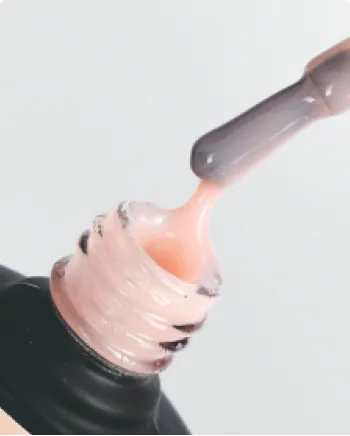
This is where the base coat enters the equation. The base coat acts as a microscopic double-sided tape. When you apply a thin layer of base coat and cure it under a UV lamp for 60 seconds, it creates a sticky layer (also known as the inhibition layer). This sticky layer is what the polygel securely adheres to, linking the flexible natural nail to the rigid gel extension.
Why a Base Coat is Essential for Polygel Application
Understanding the anatomy of the nail and the chemistry of UV-curing gel products explains exactly why this step cannot be skipped. The natural nail plate consists of 25 to 50 layers of dead keratin cells and is roughly 0.25 to 0.6 millimeters thick. It is highly flexible and constantly bends slightly during daily activities.
Did you know?
Polygel, once cured, is a hard gel with zero flexibility. A base coat provides a vital, slightly flexible buffer zone between the moving natural nail plate and the rigid extension, preventing the product from snapping off under daily mechanical stress.
1. Maximum Adhesion to the Surface Grid
During your prep routine, you use a 100-grit buffer to gently mattify the nail plate. This creates a microscopic surface grid—a series of tiny, invisible scratches. A high-quality base coat is thin enough to seep into this grid. Once cured, the base coat is physically locked into the nail plate. The polygel then bonds to the base coat, creating an unbreakable chain.
2. Preventing Lift at the Cuticle and Sides
Lifting is the most common issue DIY users face. Skipping the base coat is the number one reason for lifting at the cuticle area or along the lateral folds (the sides of the nail). Without the base coat's adhesive properties, the edges of the polygel will quickly detach as soon as you wash your hands or bump your nails against a hard surface.
3. Eliminating Pocket Lifting
Pocket lifting occurs when the gel detaches in the middle of the nail plate while the edges remain sealed. This is incredibly dangerous because it creates a hidden pocket where water and dirt can become trapped. Applying a base coat with a firm, rubbing motion ensures that the center of the nail has just as much grip as the edges, entirely eliminating the risk of pocket lifting.
Important: You can use a standard gel polish base coat, or you can use a rubber base as your anchor layer under polygel. Rubber base offers even more flexibility, making it an excellent choice for individuals with thin or brittle natural nails.
Step-by-Step: Correct Polygel Application (Prep to Cure)
Prep is the absolute foundation of longevity. If your preparation is flawed, even the best base coat and polygel combination will fail. Here is the definitive, step-by-step method for applying polygel correctly to ensure a 4-6 week lifespan.
Thorough Preparation
Push back the eponychium (cuticle) and remove all visible and invisible dead skin from the nail plate. Lightly buff the surface with a 100-grit buffer to create the necessary surface grid. Never overfile the natural nail.
Cleanse and Dehydrate
Wipe the nail thoroughly with a lint-free wipe saturated in cleaner. This removes all filing dust, natural oils, and grease. The nail must appear completely matte and dry before proceeding.
Apply Primer
Apply a very thin layer of Bonder (primer) to the natural nail. This temporarily dehydrates the surface to ensure maximum adhesion. Let it air dry for exactly 60 seconds.

The Crucial Base Coat
Apply a thin layer of base coat using a firm, rubbing motion to work the product into the surface grid. Remember to seal the free edge (the tip of the nail). Cure for 60 seconds in your UV/LED lamp. Do not wipe off the sticky layer after curing.
Sculpting the Polygel
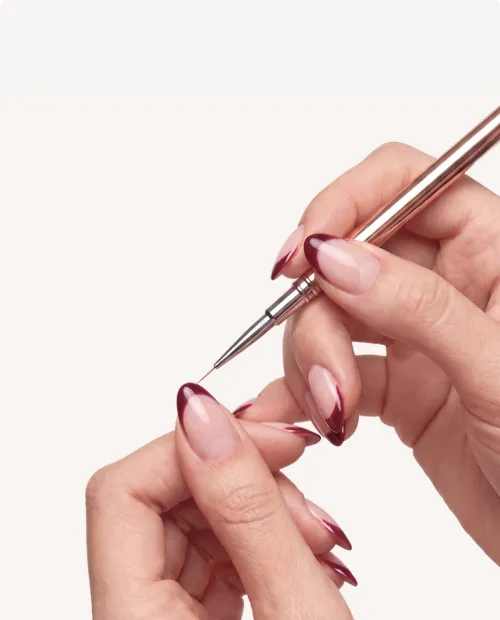
Place your bead of polygel onto the nail. Using your Art Brush Short Premium—lightly wetted with cleaner to prevent sticking—use gentle dabbing motions to distribute the gel. Build your apex correctly to distribute weight, then cure fully for 60-120 seconds.

If you need to upgrade your curing equipment, you can explore our selection of UV/LED lamps to ensure you have the correct 365/405 nm wavelengths required for a safe and complete cure.
What Happens If You Skip the Base Coat?
The consequences of skipping the base coat are immediate and potentially harmful to the health of your natural nails. Because the polygel has nothing to grip, the extension will inevitably fail.
Firstly, you will experience severe lifting within 24 to 48 hours. The edges will begin to peel up, catching on your hair and clothes. When lifting occurs, you must address it immediately by filing it down or performing a fill (opfyldning). If left untreated, the lifted area creates a dark, moist environment.
This trapped moisture is the perfect breeding ground for pseudomonas—a common soil bacteria that causes a "greenie" (a greenish discoloration on the nail plate). While a greenie is generally harmless if treated correctly, it is entirely preventable by simply using a base coat to ensure a hermetic seal.
"Never skip the base coat when working with polygel. The base coat acts as the crucial anchor between your natural nail plate and the hard polygel structure. Without it, premature lifting is inevitable, which opens the door for trapped moisture and bacterial infections."
— Signe Hartung Roslyng, Negle (Gyldendal, 2024)
Furthermore, if a polygel extension pops off forcefully because it lacked a base coat, it can rip away the top layers of your keratin cells. This leaves the natural nail thin, red, and highly sensitive. Proper application and learning about safe removal procedures are the keys to maintaining healthy nails.
The Gel Collection Guarantee: 100% HEMA-Free
When performing DIY gel manicures at home, safety and chemistry must be your top priorities. It is a strict rule at The Gel Collection that ALL our products are 100% HEMA-free, di-HEMA-free (di-HEMA-TMHDC), and TPO-free—and they have always been, without exception.
Furthermore, our entire range is 21-free, meaning the formulas exclude 21 specific, potentially harmful chemicals often found in cheaper alternatives. Liquid gel products contain acrylates, which are known allergens if they come into contact with the skin before being fully cured into a solid plastic state.
By strictly using EU-approved products that eliminate the most common allergens like HEMA and di-HEMA, you drastically reduce the risk of developing contact dermatitis. This applies to every single product you use, from your primer and base coat to your polygel and top coat. Once your perfect polygel extension is built and cured, you can safely decorate it with any of our highly pigmented gel polish colors.


To ensure you always have the right equipment for your nail art and extensions, you can find the perfect tool in our brush collection, designed specifically for manipulating thick UV-curing gels without sticking.
Frequently Asked Questions
Expert source
Signe Hartung Roslyng
Founder of TheGelCollection.com & author
Expert guidance in this article is based on knowledge from Negle (Gyldendal, 2024) by Signe Hartung Roslyng — the first Scandinavian reference book on professional gel nails.